
Lead-Bronze Plain Bearings: The Future of Wind Turbine Gearbox Reliability
Bearings and Bushings for the Future: Precision and Customization: Our company, in bearing engineering with decades of experience, designs and develops high-precision self-lubricating bronze bearings & plain bushes. We offer a wide array of sliding bearings tailored to meet specific needs. Renowned for our expertise in custom bronze bushing and slide plate solutions, we provide an expansive selection of bushing metal alloys. Contact us today to benefit from unparalleled services at competitive prices.
Lead-Bronze Plain Bearings: The Future of Wind Turbine Gearbox Reliability

Lead-Bronze Plain Bearings: The Future of Wind Turbine Gearbox Reliability
Why Plain Bearings are Gaining Traction in Wind Energy
- Superior Load Capacity: With their large surface contact area, plain bearings can distribute massive loads more effectively than the point or line contact of rolling bearings, making them ideal for handling the immense torque and shock loads generated by wind gusts.
- Compact Design & Power Density: By integrating directly into components like planetary gears, plain bearings save critical radial space. This allows for more compact gearbox designs, increasing the overall power density of the nacelle.
- Enhanced Damping & Stability: The hydrodynamic oil film in a plain bearing acts as a natural damper, absorbing vibrations and ensuring smoother, quieter operation—a key factor in extending the gearbox’s operational lifespan.
- Cost-Effective Maintenance: Many plain bearings feature a split-shell design, allowing for in-situ replacement without a complete gearbox teardown. This drastically reduces downtime and maintenance costs over the turbine’s life.
Key Application Areas in Wind Turbine Gearboxes
- Planetary Gear Stage: This is the primary application. Plain bearings are integrated into the inner diameter of the planet gears, replacing traditional roller bearings. This is where their high load capacity and compact size provide the greatest benefit, enabling more robust and power-dense planetary systems.
- Low-Speed and Intermediate-Speed Shafts: The shafts closer to the rotor input experience high torque at relatively low rotational speeds. Plain bearings excel in these conditions, providing stable and reliable support where rolling bearings might suffer from wear and fatigue.
Material Selection: The Science Behind Lead-Bronze Alloys
|
Standard System
|
Common Grade
|
Nominal Composition (wt%)
|
Key Characteristics & Application
|
|---|---|---|---|
|
DIN (Germany)
|
CuPb15Sn8
|
Sn: 7-9%, Pb: 14-17%, Cu: Remainder
|
A high-lead bronze prized for its excellent anti-friction and seizure resistance. Its high lead content provides superior self-lubricating properties, making it the top choice for the extreme loads and potential boundary lubrication conditions found in planetary gear bearings.
|
|
DIN (Germany)
|
CuPb10Sn10
|
Sn: 9-11%, Pb: 8-11%, Cu: Remainder
|
Known as “gunmetal,” this alloy offers a balance of properties. With higher tin content, it provides greater strength, hardness, and wear resistance, making it suitable for intermediate-speed shafts where durability is paramount.
|
|
SAE (USA)
|
SAE 792
|
Sn: 7-8.5%, Pb: 14-16%, Cu: Remainder
|
The North American equivalent to CuPb15Sn8. It is widely specified for heavy-duty, high-impact plain bearing applications in wind and other heavy machinery.
|
|
SAE (USA)
|
SAE 64 (UNS C93700)
|
Sn: 9-11%, Pb: 8-11%, Cu: Remainder
|
Similar to CuPb10Sn10, this high-strength bronze is chosen for applications demanding high compressive strength and wear resistance under heavy pressure.
|
- For planet gears, the priority is seizure resistance and conformability under extreme shock loads. Therefore, high-lead alloys like CuPb15Sn8 or SAE 792 are preferred.
- For shaft supports, where the loads may be more consistent, a stronger, more wear-resistant alloy like CuPb10Sn10 or SAE 64 might be selected.
Advanced Structure: Beyond Just the Alloy
- Steel Backing: An outer shell of steel provides the structural rigidity and ensures a precise, interference fit with the housing.
- Sintered Bronze Layer: The lead-bronze alloy is metallurgically bonded to the steel back. This layer is typically applied using centrifugal casting or powder sintering to ensure a dense, uniform microstructure.
- Sliding Surface Coating (Optional): A very thin overlay (a few microns) of a softer material, like a polymer or a lead-tin coating, is often applied to the surface. This sacrificial layer aids in the initial run-in period, enhances embeddability for small contaminants, and provides extra protection against seizure.
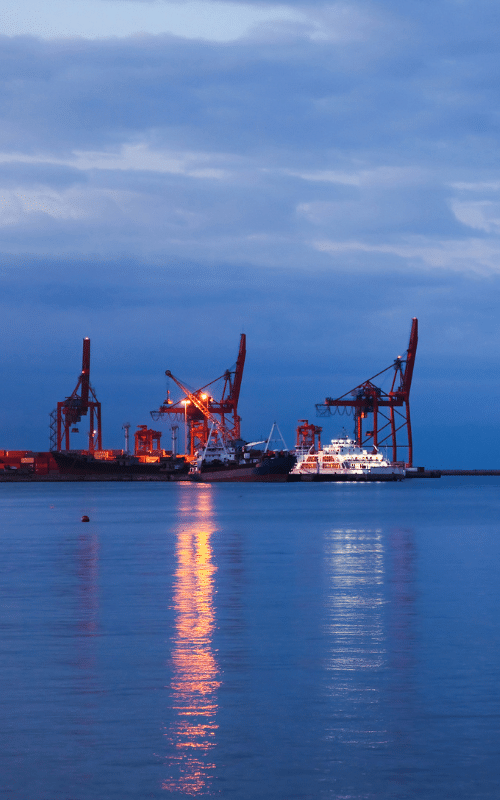
Solutions For Every Industry
Searching for Dependable Bushing Solutions? viiplus Has What You Need.
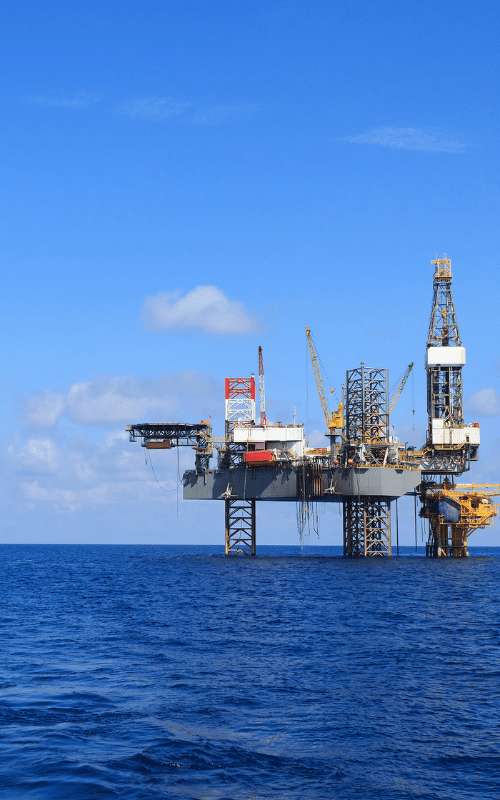
Design Guides, Materials
Bushing design, Comprehensive design manuals covering a range of self-lubricating materials used in all of viiplus’s manufacturing processes.
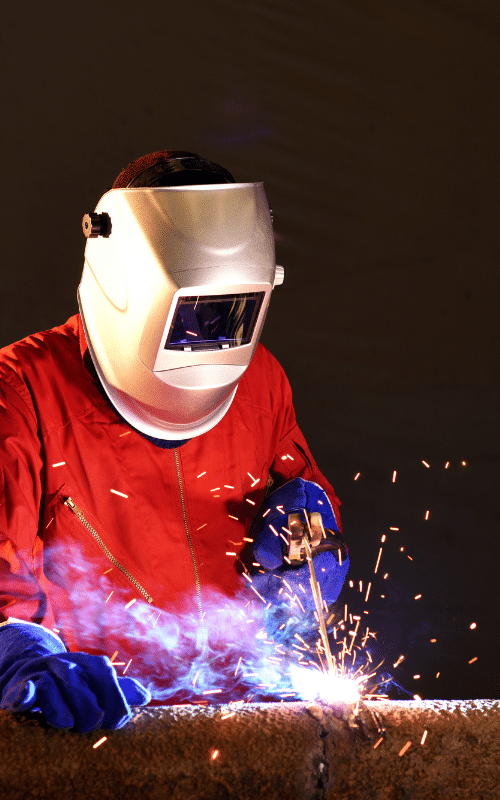
Technical Guides
Manufacturing On Demand, Technical Guides For Machining Design. Discover the latest in metal alloys, materials, and design tips for manufacturing custom machined and self-lubricating bearing parts.
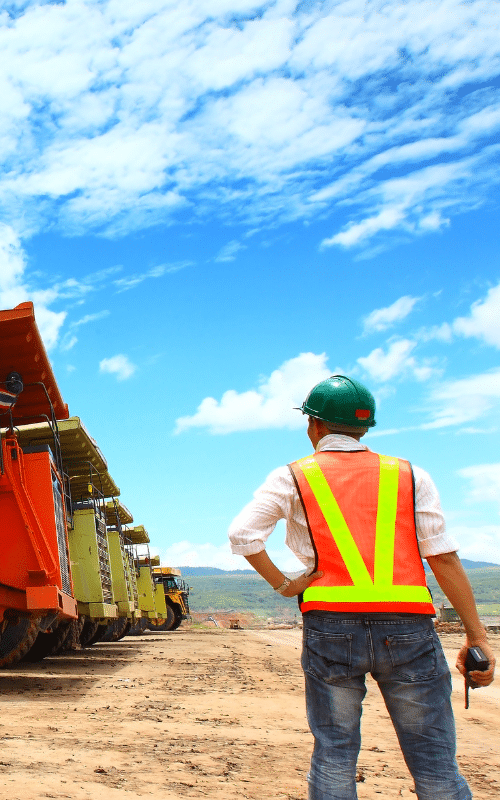
Get Instant Quote
To receive your instant quote, simply upload your drawing file and choose your production process & bushing material.
Prototyping, Place Order
After you place your order, we will start the production process. You will receive updates when your order has completed production and is ready to be dispatched.
Receive Your custom Parts
We provide precision-inspected high-quality parts, packing lists and documents, and delivery tracking.