Self-Lubricating Bronze Bushings for Sugar Cane Transport & Collection Equipment
(Sugar Cane Factory / Harvesting & Conveying Systems)
1. Application Context in the Sugar Industry
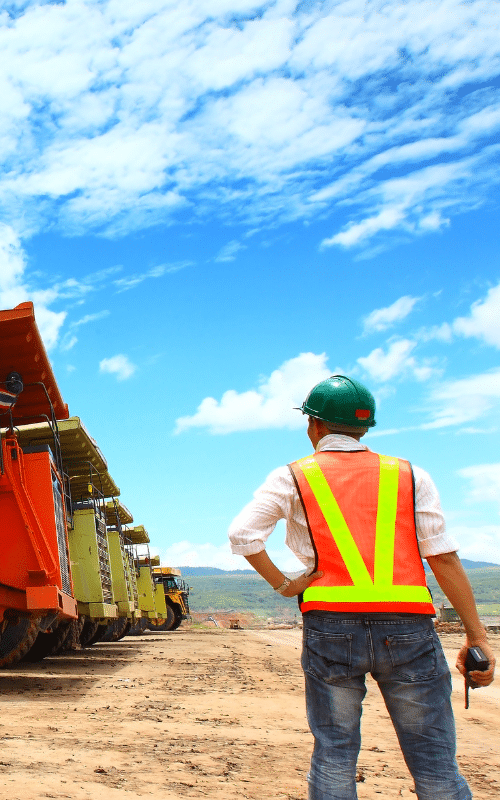
Sugar cane transport and collection equipment typically includes:
- Cane grab loaders / cane lifters
- Field haul-out trailers
- Cane carrier conveyors
- Mill feed tables and feeder rollers
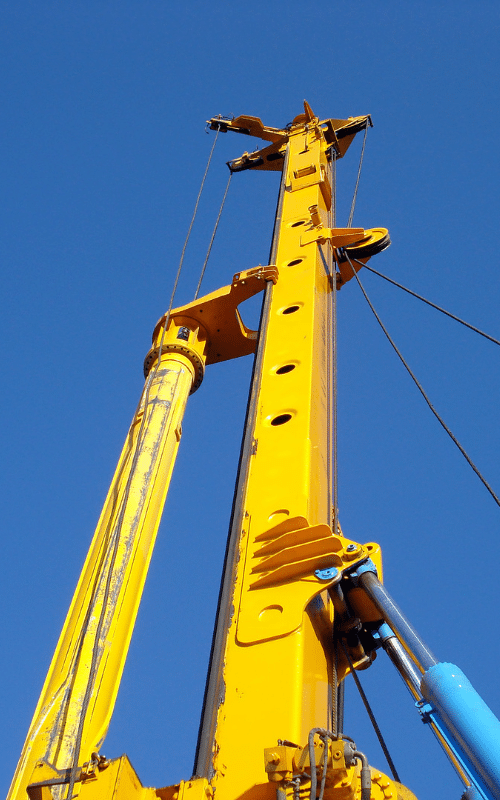
- Hydraulic arms and pivot joints
These systems operate under extreme conditions:
- Heavy load with frequent shock impact
- Dust, mud, and bagasse fiber contamination
- Low to medium sliding speeds
- Oscillating motion with frequent start–stop cycles
- Remote environments with limited maintenance access
👉 These conditions demand maintenance-free, contamination-resistant bearing solutions, making self-lubricating bronze bushings a technically superior choice.
2. Material Architecture: A Composite Tribological System
Self-lubricating bronze bushings are not defined by a single alloy grade. Instead, they are a multi-layer engineering system consisting of:
Bronze matrix → Solid lubricant phase → Embedded structural design
This architecture is critical for achieving reliable performance in sugar cane environments.
3. Bronze Matrix (Load-Bearing Backbone)
3.1 Standard Tin Bronze (Cu-Sn-P System)
Typical composition:
- Copper–Tin–Phosphorus alloy
- Tin (Sn): ~5–10%
- Phosphorus (P): trace (enhances wear resistance)
Performance characteristics:
- High compressive strength
- Excellent impact resistance (ideal for agricultural shock loads)
- Strong anti-galling behavior
- Stable under low-speed, heavy-load sliding
👉 Primary application:
Pivot joints, hydraulic arms, tipping mechanisms
3.2 High-Strength Bronze (High-Tin Variant)
Features:
- Higher tin content → increased hardness and wear resistance
- Improved deformation resistance under heavy load
- Slightly higher material cost
👉 Recommended for:
- Heavy-duty conveyor systems
- High-impact zones near crushing or feeding sections
3.3 Corrosion-Resistant Bronze (Enhanced Alloys)
Possible systems:
- Cu-Sn-Ni or modified copper alloys
Advantages:
- Improved corrosion resistance in humid and sugar-rich environments
- Better durability under long-term outdoor exposure
👉 Best for:
- Areas exposed to sugar juice, vapor, or high humidity
4. Solid Lubricant Phase (Tribological Control Layer)
This is the core differentiator compared to conventional bronze bushings.
Common lubricant types:
Graphite
- Excellent performance in wet and humid environments
- Maintains lubrication even in water-contaminated conditions
- Highly stable for outdoor agricultural use
MoS₂ (Molybdenum Disulfide)
- Very low friction coefficient (~0.03–0.1)
- Strong performance under high load and dry friction
- Excellent extreme-pressure capability
Working Mechanism
Instead of grease lubrication, the system operates by forming a:
Transfer film on the shaft surface
Result:
- Metal-to-metal contact → replaced by lubricated interface
- Reduced friction and wear
- Prevention of seizure under dry conditions
- Stable operation under contamination
5. Structural Design: Embedded Lubrication System
The bushing structure consists of:
- High-strength bronze matrix
- Uniformly distributed solid lubricant plugs
Engineering effects:
- Continuous internal lubrication supply
- Gradual release of lubricant during wear
- No need for external lubrication throughout service life
6. Why This Material System Excels in Sugar Cane Equipment
Problem–Solution Mapping
| Field Problem |
Material-Based Solution |
| Sand and abrasive particles |
Hard bronze matrix resists wear |
| Sugar + grease forming abrasive paste |
Oil-free design eliminates buildup |
| High humidity and corrosion |
Copper alloys provide corrosion resistance |
| Shock loading |
High toughness bronze absorbs impact |
| Maintenance difficulty |
Self-lubrication eliminates relubrication |
7. Key Technical Characteristics
- Self-lubricating (dry running capable)
- High load capacity for heavy agricultural machinery
- Excellent resistance to dust and fiber contamination
- Wide operating temperature range: -40°C to +250°C
- Suitable for oscillating and boundary lubrication conditions
8. Recommended Installation Locations
Typical applications include:
- Loader arm pivot points
- Hydraulic cylinder joints
- Conveyor roller bushings
- Cane grab hinge mechanisms
- Trailer suspension pivots
- Feeder and tilting systems
👉 Optimal for:
Low-speed + high-load + oscillating + contaminated environments
9. Engineering Selection Guidelines
9.1 Material Selection Strategy
| Application Condition |
Recommended Material System |
| General field equipment |
Standard tin bronze + graphite |
| High load / impact zones |
High-strength bronze + solid lubricant |
| Wet processing areas |
Corrosion-resistant bronze + graphite |
9.2 PV (Pressure–Velocity) Limit
- Designed for low-speed applications
- Recommended sliding speed: < 0.4 m/s
9.3 Shaft Requirements
- Hardened steel shaft (≥ HRC 45)
- Smooth surface finish for optimal transfer film formation
9.4 Clearance Design
- Slightly larger than greased bushings
- Allows tolerance for:
- Debris ingress
- Thermal expansion
- Misalignment
10. Engineering Insight: Root Cause of Bearing Failure
In sugar cane operations, bearing failures are typically not caused by insufficient strength, but by:
- Abrasive contamination (soil + bagasse fiber)
- Lubrication breakdown or inconsistency
- Corrosion from water and sugar residues
👉 The key engineering advantage of this material system is:
Elimination of lubrication dependency in contamination-heavy environments
11. Material Selection Logic (Core Principle)
The entire system can be summarized as:
“Copper provides structure, solid lubricants provide function.”
Engineering interpretation:
- Bronze matrix → mechanical backbone (load + impact resistance)
- Graphite / MoS₂ → tribological control layer (friction + wear reduction)
12. Conclusion
Self-lubricating bronze bushings provide a robust, maintenance-free bearing solution for sugar cane transport and processing systems by integrating:
- High-strength copper alloy structures
- Embedded solid lubrication technology
- Resistance to contamination, moisture, and corrosion
- Long service life under harsh field conditions
👉 Result:
- Reduced downtime
- Lower maintenance costs
- Improved operational reliability in agricultural machinery
Material Grade Selection for Sugar Cane Equipment
(Focused Engineering Interpretation for CAC406 vs CAC403)
When specifying self-lubricating bronze bushings for sugar cane transport and processing systems, material grade selection directly impacts service life, wear behavior, and reliability under contamination.
Below is a precise breakdown of the two commonly used bronze grades:
1. CAC406 (Standard Bronze)
Recommended for: General Cane Handling Systems
Material Profile
- Alloy type: Cu-Sn-P (tin bronze)
- Balanced mechanical properties
- Widely used in industrial sliding applications
Key Engineering Characteristics
- Good load-bearing capacity under medium to high loads
- Excellent anti-galling performance
- Stable under oscillating motion
- Good compatibility with solid lubricant plugs (graphite/MoS₂)
- Cost-effective for large-scale deployment
Typical Application Zones
- Cane grab loaders
- Field transport trailers
- Conveyor pivot joints
- Hydraulic arm bushings
- General outdoor handling equipment
Why It Works Here
These systems typically involve:
- Moderate impact loads
- High contamination (dust, bagasse)
- Low-speed oscillating motion
👉 CAC406 provides the best balance between performance, durability, and cost
2. CAC403 (High-Strength / High-Tin Bronze)
Recommended for: Near Mill / High-Load / High-Temperature Zones
Material Profile
- Higher tin content than CAC406
- Increased hardness and wear resistance
Key Engineering Characteristics
- Superior compressive strength
- Higher resistance to deformation under heavy load
- Improved wear resistance under boundary lubrication
- Better stability in elevated temperature environments
Typical Application Zones
- Mill feed tables
- Crusher inlet systems
- Heavy-duty conveyor sections
- High-load pivot points near processing areas
Why It Works Here
Near the mill, equipment is exposed to:
- Higher temperatures (from friction and process heat)
- Continuous heavy loads
- Moisture + sugar juice exposure
👉 CAC403 provides enhanced structural stability and wear resistance under extreme conditions
3. Selection Logic (Direct Comparison)
| Criteria |
CAC406 |
CAC403 |
| Load capacity |
Medium–High |
High |
| Wear resistance |
Good |
Superior |
| Impact resistance |
Good |
Very good |
| Temperature tolerance |
Standard |
Better |
| Cost |
Lower |
Higher |
| Best use |
Field equipment |
Mill / heavy-duty zones |
4. Practical Engineering Rule
Use the following simplified decision logic:
- Field equipment / mobile systems → CAC406
- High-load / high-impact / near processing → CAC403
5. Critical Insight (Often Overlooked)
In sugar cane applications:
Material upgrade alone does not solve failure issues.
Failures are often driven by:
- Contamination (bagasse + sand)
- Lubrication breakdown
- Corrosive environment
👉 Therefore:
- CAC403 improves load and wear resistance
- But self-lubricating structure + proper material pairing is what truly ensures reliability
Final Engineering Takeaway
- CAC406 = optimized for cost-performance balance in field conditions
- CAC403 = optimized for durability in high-load, high-stress zones
For best results, combine:
- Correct material grade
- Appropriate solid lubricant (graphite for humid environments)
- Proper shaft hardness and clearance design