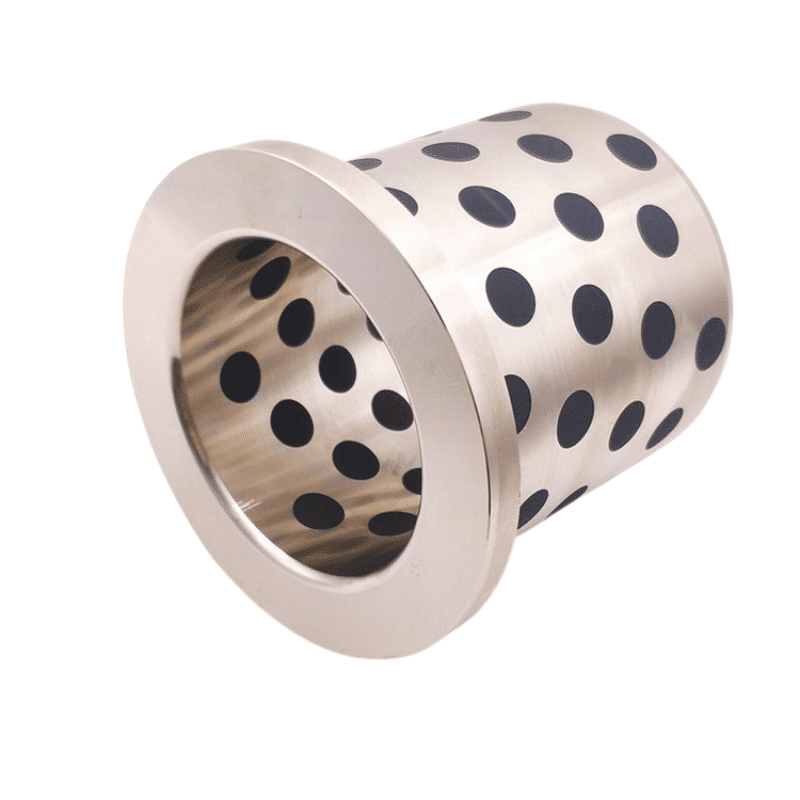
Plain Bearing Busing
Plain bearings, often referred to as bushings, are simple mechanical components utilized in various applications for their ability to constrain, guide, or reduce friction. They serve as a crucial element in many mechanical systems, enabling rotational, linear, or oscillatory motion.
Plain bearings that incorporate a dry PTFE (polytetrafluoroethylene), steel sintered bronze sliding layer are specifically designed to reduce friction and provide excellent wear resistance in various applications. PTFE is a polymer known for its low friction properties, and when combined with a sintered bronze layer, it creates a composite material with superior load bearing and self-lubricating characteristics.
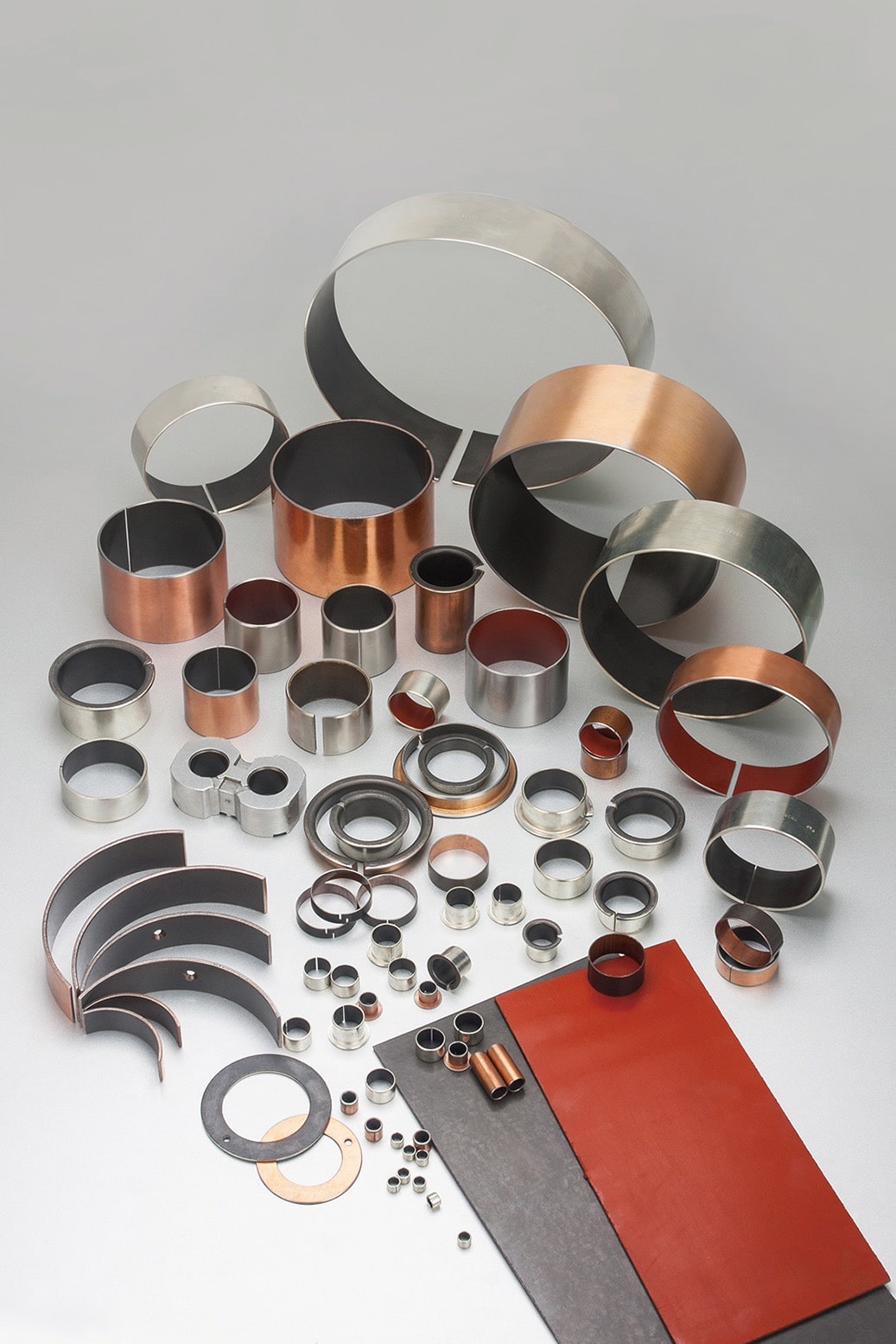
Understanding Plain Bearings, plain bearing examples
specializing in Plain Bearing bushing
A plain bearing, in essence, is a surface with low friction that interacts with another surface, often a shaft or axle. It is typically a cylindrical object that matches the shape of the part it wraps around. The bearing enables the other part to rotate or move linearly with minimal friction and wear. The function of plain bearings is to support and guide moving parts, reduce friction, and bear loads.
These bearings function on the principle of sliding motion, as opposed to rolling elements found in roller or ball bearings. They achieve this by using a lubricating film between the sliding surfaces, which can be a fluid film (hydrodynamic bearings) or a solid layer, usually a self-lubricating material like PTFE or a lubricant embedded in the bearing material (as in the case of oil-impregnated sintered bearings).
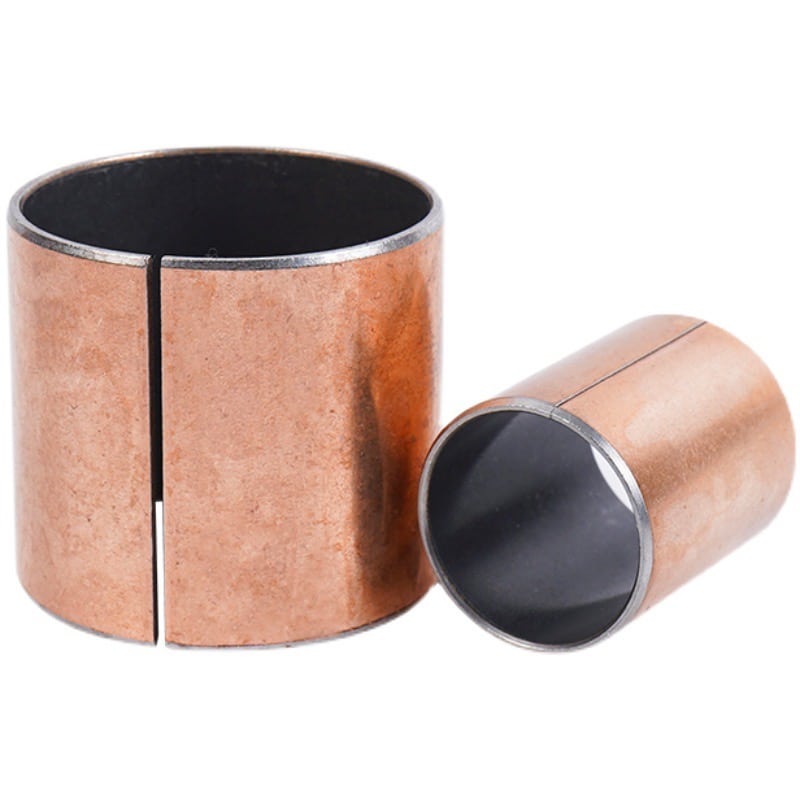
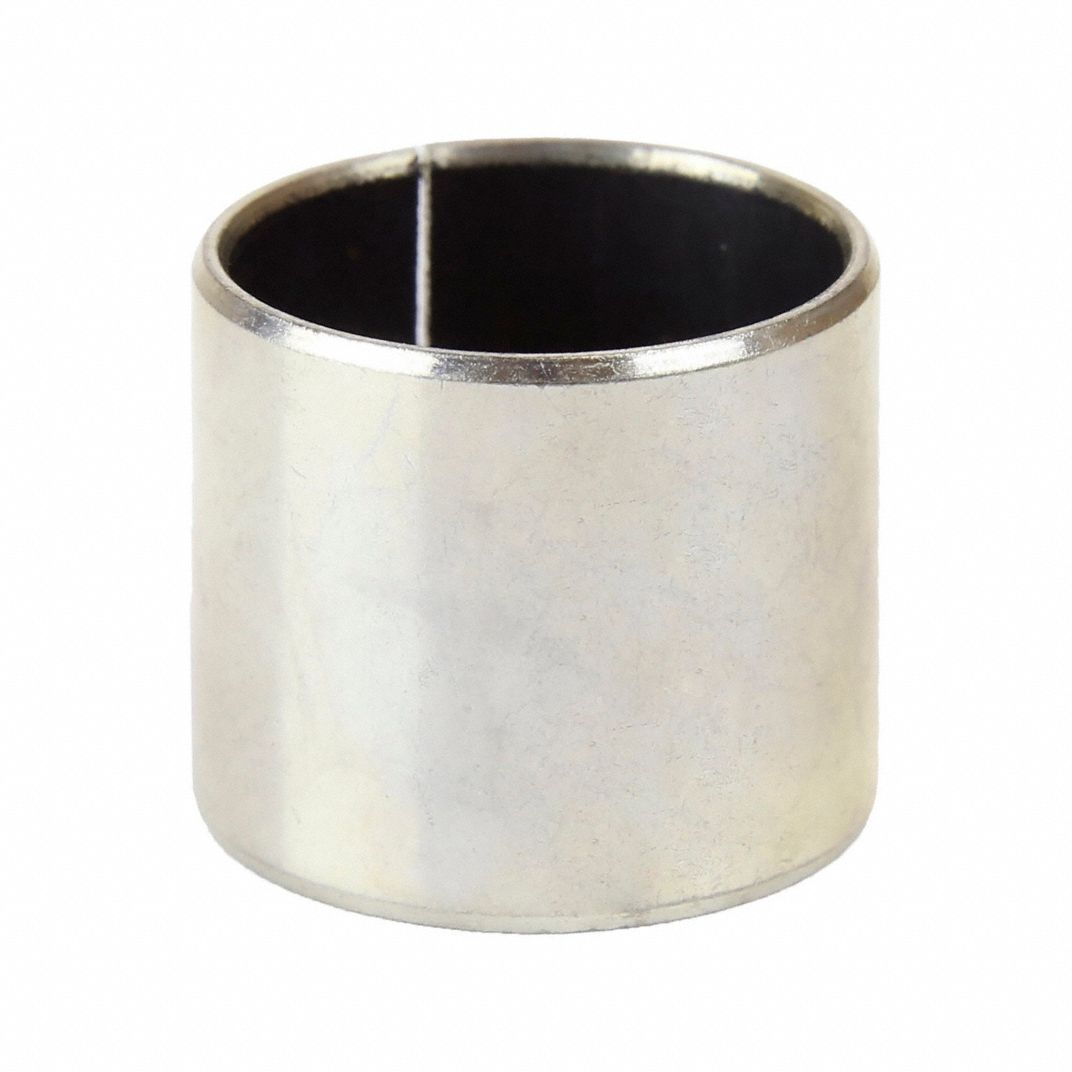
specializing in Maintenance-free self-lubricating plain bushes
Maintenance-free self-lubricating plain bushes are designed to be lubricant-free, meaning they don’t require additional lubrication during their lifetime. They are typically made from materials that are capable of reducing friction and wear, enhancing performance, and extending lifespan, without the need for lubricants.
They are used in instances where the radial or axial (meaning along the axis of rotation) design space is limited. This refers to situations where the size of the bearing must be minimized due to constraints in the design of the equipment or machinery where the bearing is to be used.
This maintenance-free nature makes these bearings particularly useful in applications where regular maintenance is challenging or undesirable, for instance, in machinery that is hard to access, operates in harsh environments, or where downtime for maintenance needs to be minimized.
Types of Plain Bearings, Plain Bushing
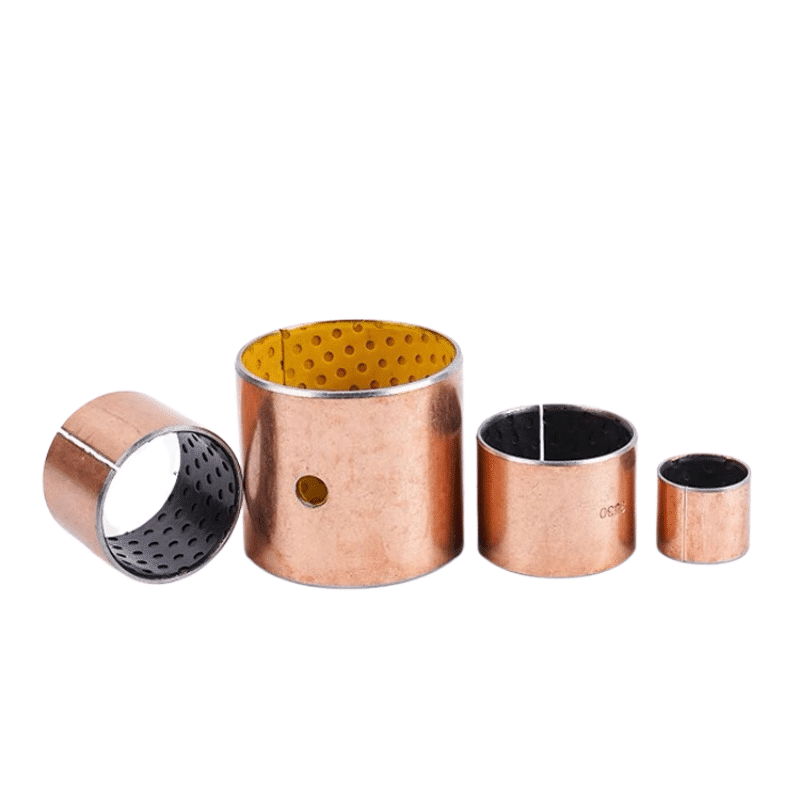
Bushings, Plain Bearing
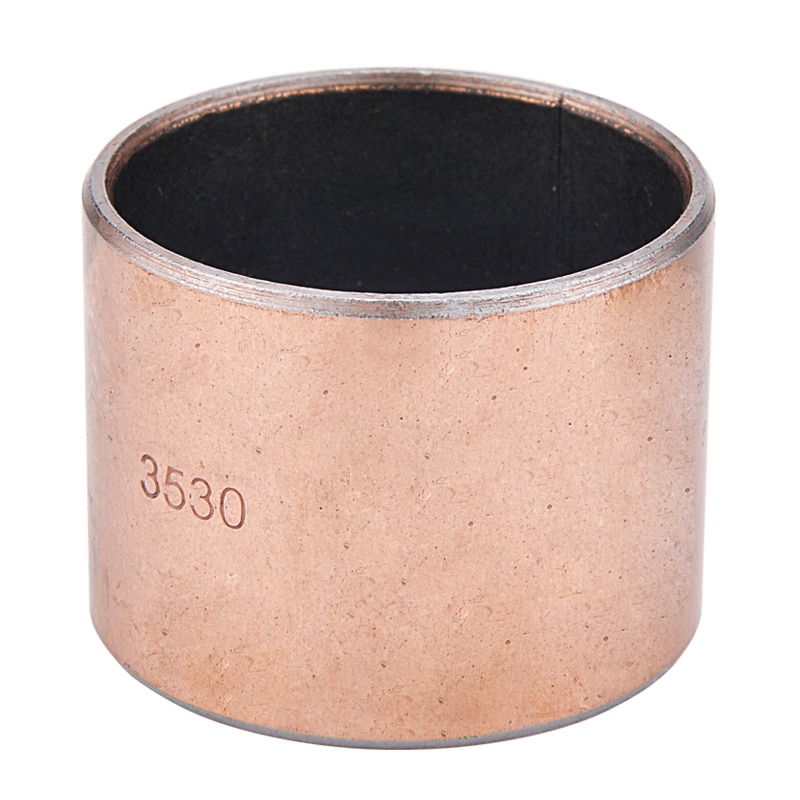
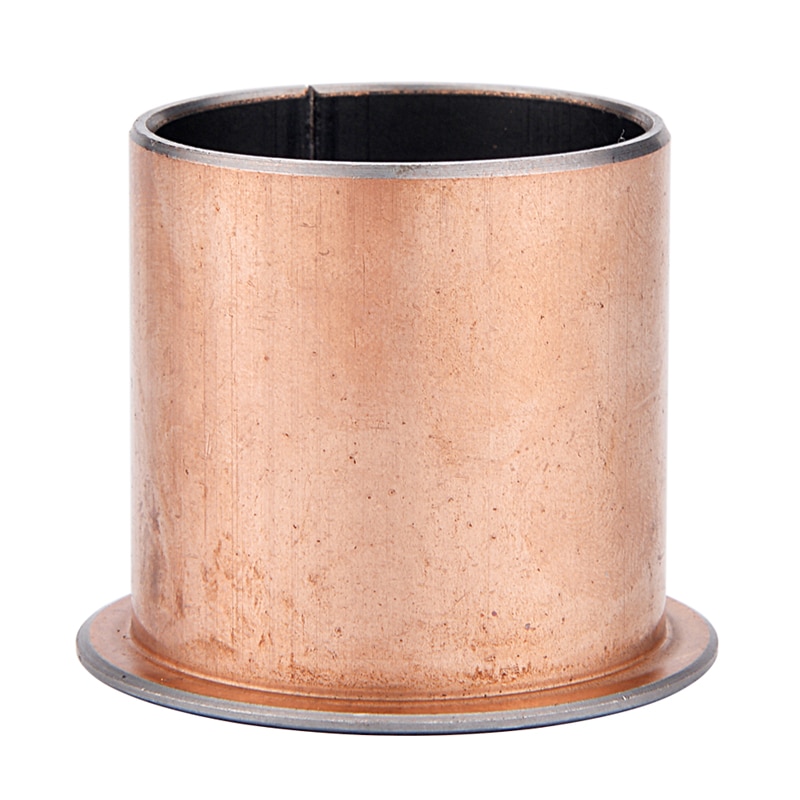
Bushings: Bushings are the most common type of plain bearing and come in various designs, such as split, flanged, and thrust bearings. They can be composed of many different materials, including bronze, plastic, and ceramic.
Spherical plain bearings: These bearings accommodate angular misalignment due to their spherical internal sliding surfaces. They are often used in applications involving oscillating movement.
Journal bearings: Used in applications with a high load and low speed, journal bearings are a type of plain bearing that uses a shaft (journal) rotating in a hole. The shaft and hole create a clearance filled with a lubricant to reduce friction.
Linear plain bearings: As the name suggests, linear plain bearings facilitate linear motion. They commonly feature a rectangular liner for the shaft to slide in.
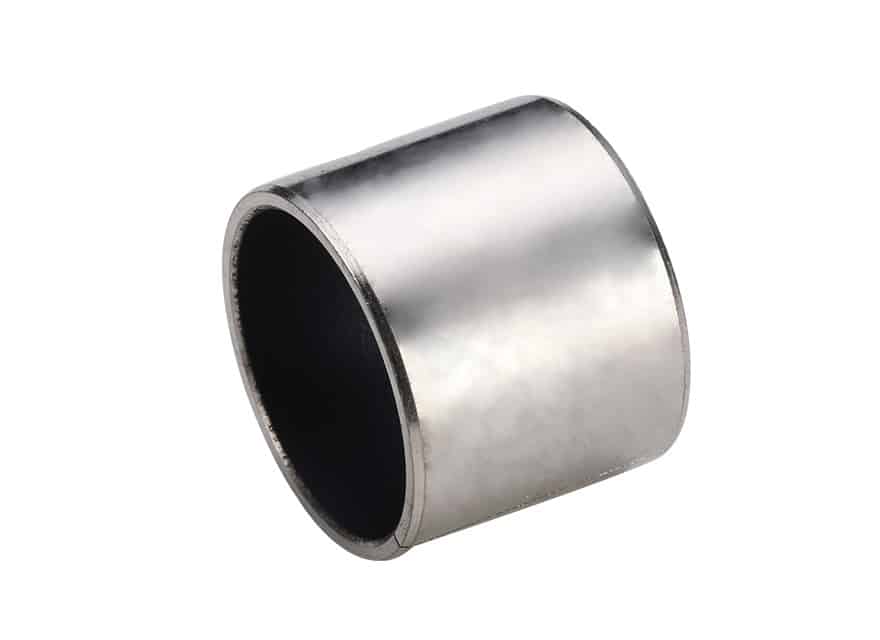
Benefits and Limitations
Plain bearings have several advantages over other types of bearings. They have a simple design and are compact and lightweight, making them a cost-effective solution for many applications. Additionally, their lack of moving parts minimizes potential points of failure. Some plain bearings can operate in extreme temperatures, under heavy loads, and in corrosive environments.
However, plain bearings also have some limitations. For example, they may not be suitable for applications with high speeds or loads due to their sliding rather than rolling operation. The absence of rolling elements means they do not distribute loads as evenly as other bearings, which can lead to increased wear and shorter service life in certain scenarios.
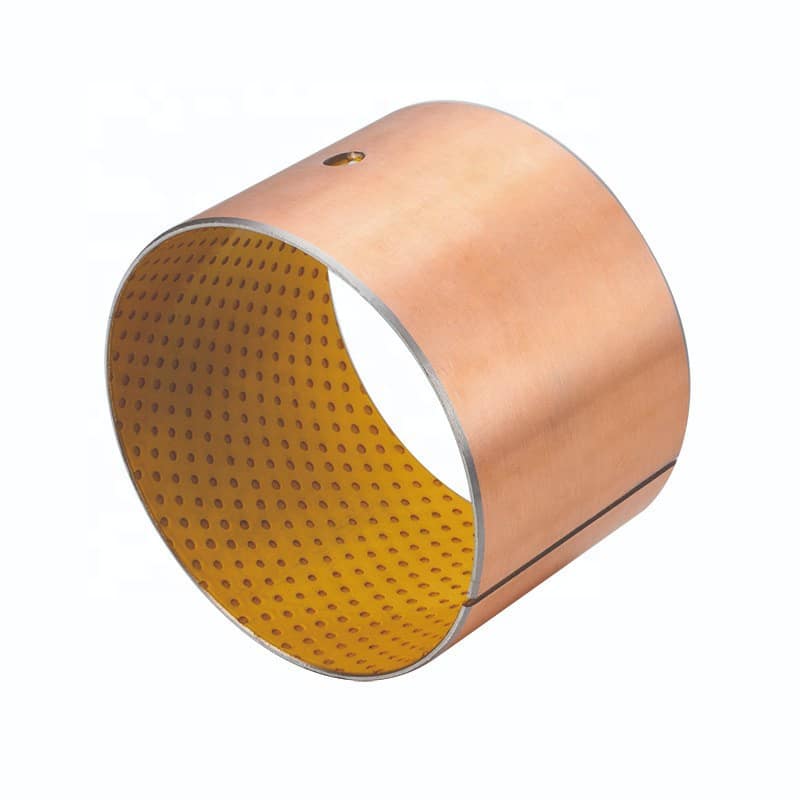
spherical plain bearings and bushing
Plain bearings play a crucial role in many mechanical systems, from automobiles and aerospace equipment to industrial machinery and household appliances. They provide a reliable, cost-effective solution for reducing friction and enabling motion, thereby contributing to the efficiency and longevity of these systems.
Plain bushes, also known as plain bearings or bushings, are a type of bearing that are used for applications involving rotary, oscillating, or linear motions. They provide a bearing surface for rotary applications, helping to reduce friction between two surfaces sliding against each other.
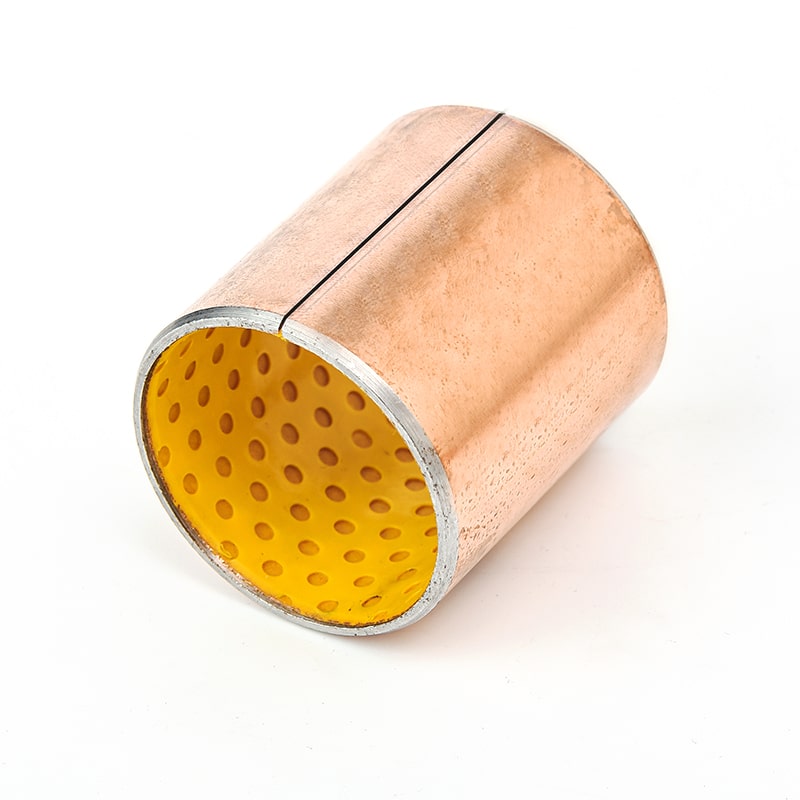
Metal-Polymer Plain Bearings Grease Lubricated
Sleeve bearings are also called bushings, journal bearings or plain bearings, and are the simplest design of bearing.
Plain bearings, also referred to as bushings, sliding bearings, or slide bearings, represent the most fundamental form of bearings, consisting solely of a sliding surface with no rolling elements. These bearings are particularly favored in scenarios demanding high load-bearing capacity, low noise levels, and a straightforward configuration. As the journal—the shaft segment interfacing with the bearing—moves across the bearing surface, it may operate within a variety of structures such as linear bearings, journal bearings, or thrust bearings to accommodate the required motion.
Types of Common Industrial Plain Bearings (Bushings)
- Sleeve Bearings (also known as Journal Bearings): These are the simplest type of plain bearing and are typically cylindrical with a continuous surface.
- Flange Bearings: These are similar to sleeve bearings but have a flange on one end. The flange provides an axial stop, supporting the bearing to withstand heavy loads and prevent axial movement.
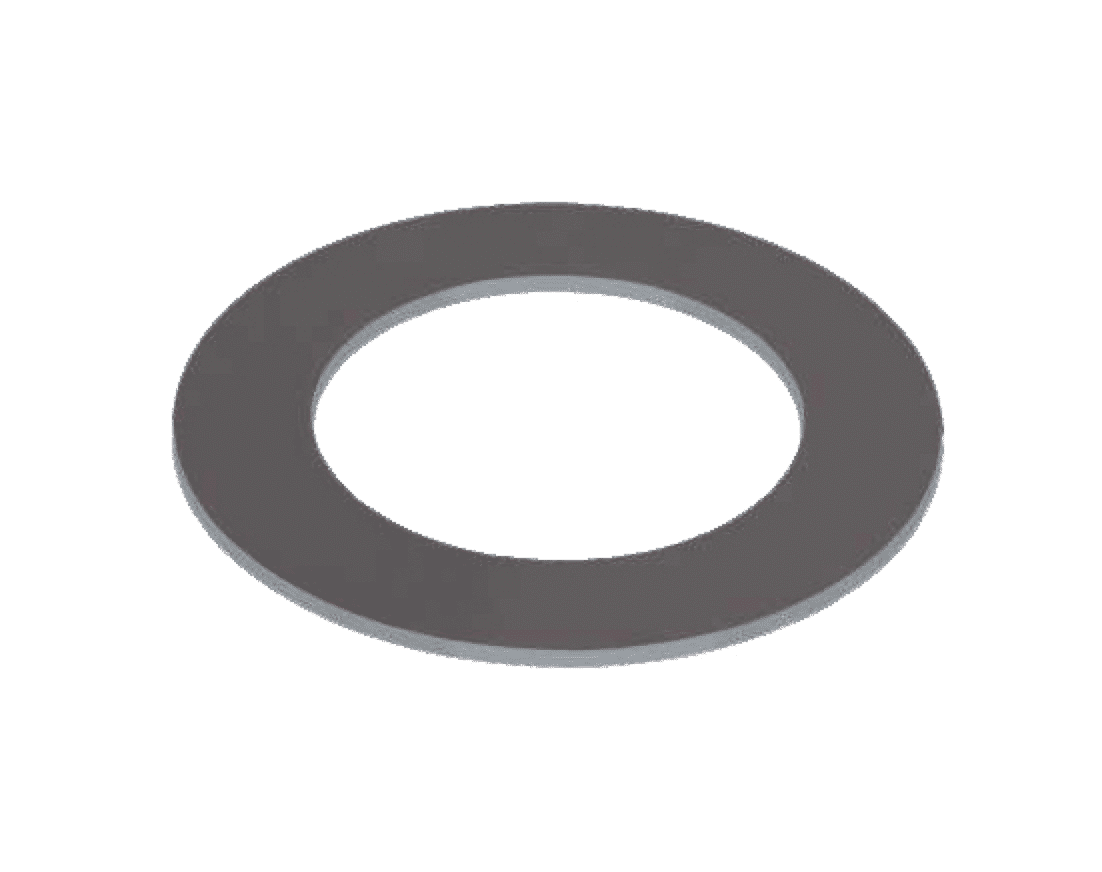
- Thrust Washers: These are flat, ring-shaped bearings that are used to support axial loads (loads parallel to the shaft).
- Spherical Plain Bearings: These bearings can accommodate a high degree of misalignment in the shaft and housing. They are typically used in oscillating and alignment applications, like rod ends.
- Composite Dry Sliding Bearings: These are maintenance-free bearings, often made of metal-polymer composite materials. They’re designed to slide without additional lubrication.
- Bimetal and Trimetal Bearings: These are bearings made up of two or three metal layers. The different layers have different properties — for instance, the inner layer might be designed for good bearing properties, while the outer layer provides strength.
- Bronze Lined Bearings: In these bearings, a layer of bronze is used on the inside of the bearing. The bronze layer provides excellent sliding and wear characteristics.
- Plastic or Polymer Bearings: These are bearings made of plastic or polymer materials. They are corrosion-resistant and often used in applications where lightweight and lubrication-free operation are required.
- Sintered Bearings: These are made from powdered metal that has been heated and compressed (sintered) into a solid shape. They can be impregnated with oil to provide self-lubrication.
Each type of bearing has its own set of advantages and drawbacks, and the selection of the right bearing depends on a variety of factors including the nature of the load, the operating environment, the necessary lifespan of the bearing, and other design constraints.
What is a plain bearing? Types & Applications
A self-lubricating steel bronze composite bush, also known as a metal-polymer composite plain bearing, is a type of plain bearing that features a composite structure made up of steel backing and a porous bronze interlayer, impregnated with a polymer material that provides self-lubricating properties. The steel backing provides mechanical strength, while the bronze layer provides a strong bond with the polymer material, which offers a low friction sliding surface.
Types:
- PTFE-Based (Polytetrafluoroethylene): These composite plain bearings have a sliding layer of PTFE. They are maintenance-free for dry running due to the low friction and wear rate of PTFE. They are typically used in automotive, textile, food processing, and chemical industries.
- POM-Based (Polyoxymethylene): These bearings have a POM sliding layer and require initial greasing. They are known for their good wear and friction performance over a wide range of loads, speeds, and temperatures in dry running conditions. They are commonly used in automotive, agricultural, and construction equipment.
Applications:
Self-lubricating steel bronze composite bushes are used in a variety of applications:
- Automotive Industry: These bearings are commonly used in the automotive industry for applications such as suspensions, transmissions, steering systems, and more.
- Agricultural Machinery: They are used in various components of agricultural machinery, such as tractors and harvesters.
- Construction Equipment: They are used in various types of construction machinery, including excavators, loaders, and bulldozers.
- Industrial Machinery: These types of bearings are used in a variety of industrial machines, such as presses, milling machines, and injection molding machines.
- Home Appliances: These bearings may also be used in certain home appliances where they can help reduce noise and improve the lifespan of the appliance.
- Food and Beverage Industry: These bearings can be made of materials that meet food-safe requirements, making them suitable for use in various food processing equipment.
The key advantage of these bearings is their ability to operate without additional lubrication, which makes them suitable for applications where maintenance is difficult or impossible. They also perform well under a wide range of temperatures and load conditions.
A plain bush bearing, also known as a slide bearing, is a simple bearing type that accommodates sliding motion between two surfaces. Unlike other types of bearings that contain rolling elements (like ball bearings or roller bearings), plain bush bearings do not have any moving parts.
Plain bush bearings work by providing a sliding surface that reduces friction between two parts. They are designed in the form of a hollow cylindrical shape, which can also be referred to as a “sleeve”, to accommodate a rotating or sliding shaft. The contact between the bearing and the shaft can either be a sliding or rolling action depending on the design and application of the bearing.
In terms of structure, plain bush bearings can be solid or split into two halves, with each design offering its own unique set of advantages. Solid bushings provide greater alignment and are usually more compact, while split bushings allow for easier installation and replacement.
As for material, they can be made from a variety of materials including bronze, plastic, and composite materials. Each material offers different benefits – for example, bronze bushings have excellent load capacity and anti-friction characteristics, while plastic bushings are resistant to corrosion and do not require lubrication.
Slide bearings can be found in many different applications including:
- Automotive applications: Within different components of vehicles, such as suspension joints, gearboxes, and steering systems.
- Industrial machinery: In various equipment like conveyors, presses, and machine tool spindles.
- Aerospace applications: Within the control systems of aircraft.
- Home appliances: In devices like washing machines and air conditioners.
The choice between different types of plain bush bearings depends on the specific application and its requirements, including factors such as load, speed, temperature, and the need for maintenance.
The typical structure of these plain bearings includes three layers: a steel backing for mechanical strength, a sintered bronze interlayer that is porous and acts as a reservoir for the PTFE, and a top sliding layer of PTFE.
Sleeve bearings, also known as bushings or journal bearings, are a specific type of plain bearing. They are typically cylindrical in shape and are used to constrain, guide, or reduce friction in rotary or linear applications. Sleeve bearings work by providing a sliding (as opposed to rolling) surface for the applied load.
Here’s a bit more detail about each:
- Plain Bearings with Dry PTFE/Steel/Sintered Bronze Sliding Layer: This type of bearing is often referred to as a ‘composite’ or ‘three-layer’ bearing. The PTFE layer provides a low friction surface, while the sintered bronze layer holds the PTFE and transfers loads to the steel backing. This design is particularly useful in applications where low friction is important and where lubrication cannot be regularly supplied. Examples of where this type of bearing might be used include industrial machinery, automotive components, and in sectors such as food and beverage or pharmaceutical where lubricants might contaminate the product.
- Sleeve Bearings (Bushings or Journal Bearings): Sleeve bearings are simple and commonly used types of plain bearings. They can be made from a variety of materials, including bronze, plastic, or composite materials, and are used in many different applications, from automotive engines to electric motors, depending on the material and specific design. They can be lubricated, or designed to be self-lubricating.
In both cases, the primary goal of these bearings is to reduce friction between two surfaces that slide against each other, and thereby reduce wear and heat generation. The choice between different types of plain bearings depends on the specific application and its requirements, including factors such as load, speed, temperature, and the need for maintenance.