
Bronze Finished Machine Parts
Bronze finished machine parts are components of a machine that have been created using bronze, a type of metal that is known for its durability, corrosion resistance, and excellent conductivity. These parts are often used in various industries and applications due to their unique properties. CNC machined bronze parts are used in a wide range of industries, including automotive, aerospace, marine, electrical, and construction. Some common bronze parts produced through CNC machining include gears, bearings, bushings, and valve components. If you have a specific question or need further information about CNC bronze parts, feel free to ask!
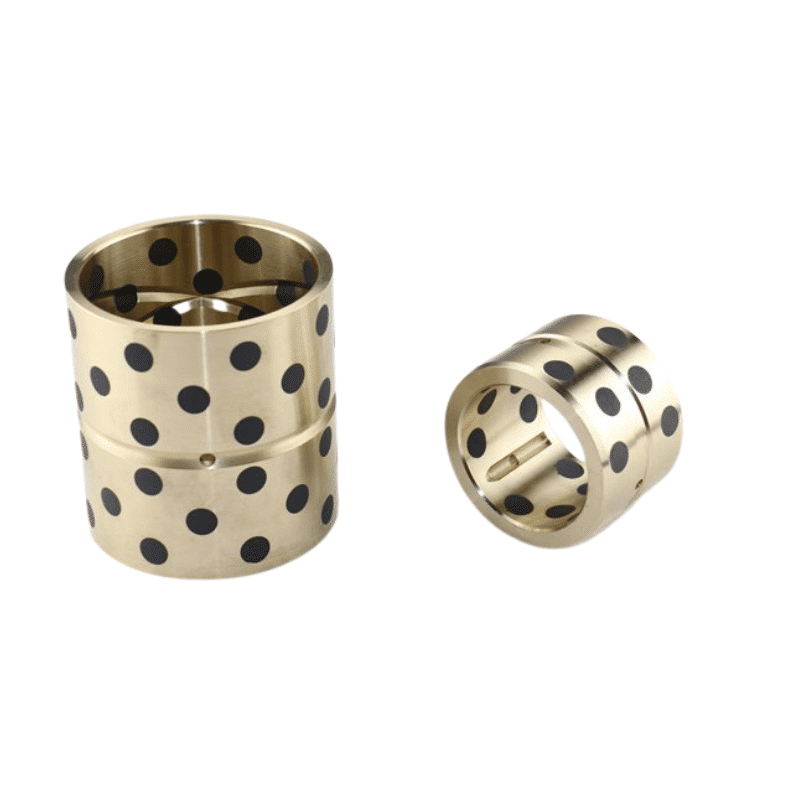
Manufacturing Process
The process of creating bronze finished machine parts often involves a series of steps. First, the bronze is typically cast or forged into the desired shape. The part is then finished, which can include a variety of processes such as grinding, polishing, or other surface treatment techniques to achieve the desired level of finish and precision. CNC machined bronze parts. CNC, or Computer Numerical Control, is a method of manufacturing where pre-programmed software controls the movement of machinery. This technique allows for precise, three-dimensional cutting tasks to be accomplished with a single set of prompts.
Bronze Finished Machine Parts Application
Due to their superior resistance to wear and corrosion, bronze finished machine parts are used in a wide range of applications. They are common in heavy machinery, automotive parts, marine equipment, electrical components, and even in musical instruments.
A milling machine is a tool used in the metalworking industry to machine solid materials. A bronze bushing, sometimes referred to as a copper sleeve in this context, is a type of bearing that’s used in various parts of machinery to reduce friction and wear.
In a milling machine, these bronze bushings or copper sleeves can be used in multiple locations where rotating parts are involved. This might include the spindle, the drive mechanism, or in the case of CNC milling machines, the various servo motors and ball screws. The bronze material is particularly useful in these applications because of its resistance to wear, its ability to handle high loads, and its good thermal conductivity.
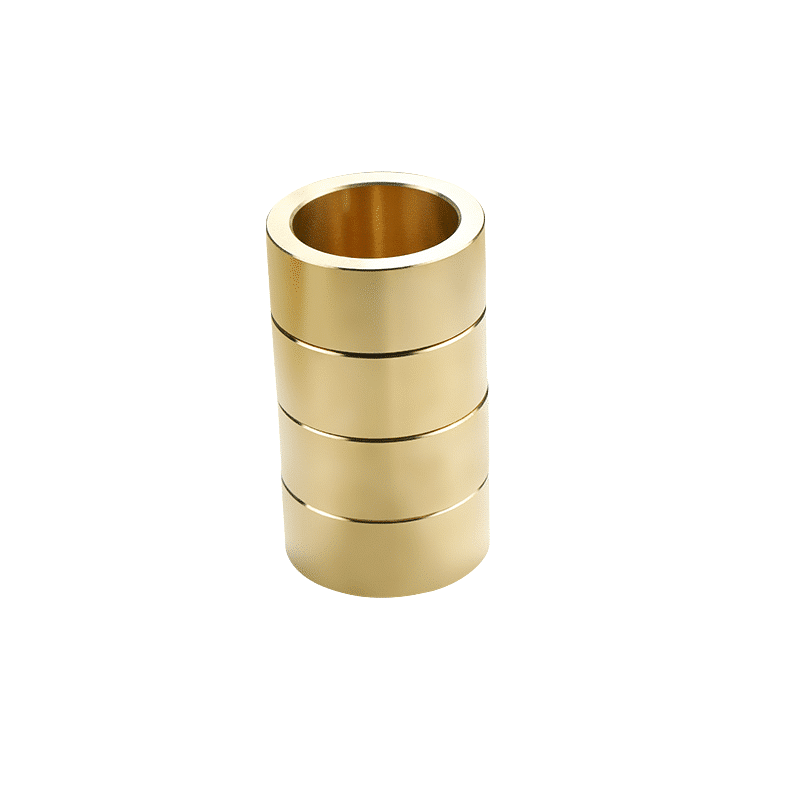
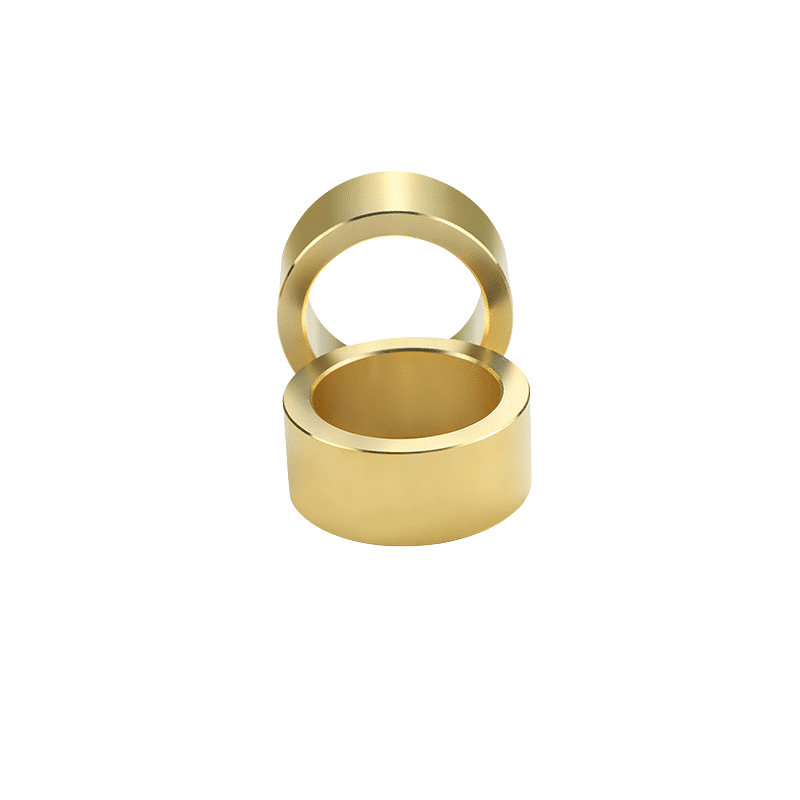
Types of Bronze Used:
Different types of bronze alloys can be used to make machine parts, each with its unique properties. These include phosphor bronze, which is noted for its resilience and resistance to fatigue; aluminum bronze, which is highly resistant to corrosion and has high strength and hardness; and silicon bronze, which is known for its easy casting properties and good resistance to a variety of corrosive environments. Bronze is a common material used in CNC machining due to its various beneficial properties. It’s a robust metal alloy primarily made up of copper and tin, and sometimes with small amounts of other elements like aluminum, manganese, nickel, or zinc.
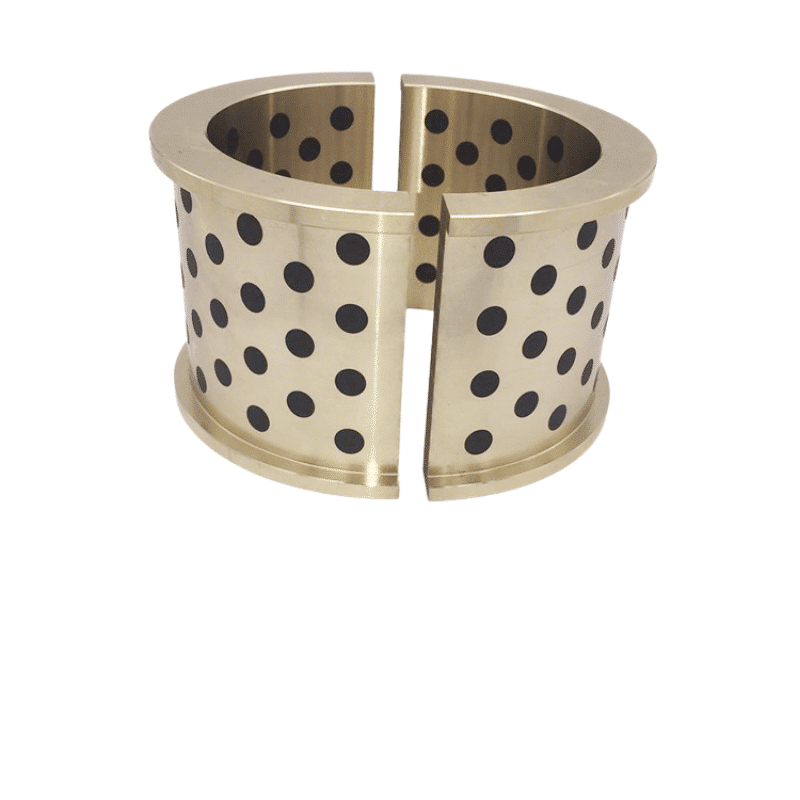
Bronze finished machine parts
Bronze finished machine parts are not only used in heavy machinery but also in various industries including automotive, aerospace, marine, and construction due to their durability, corrosion resistance, and ability to withstand high temperatures and pressures. CNC (Computer Numerical Control) machines are highly precise tools used in the manufacturing industry to produce complex and intricate parts. They can handle a variety of materials, including bronze, to create finished products or parts.
CNC machined bronze parts are often used in a variety of industries due to their high strength, excellent wear resistance, and good machinability. They can range from small components for electronic devices to large parts for heavy machinery.
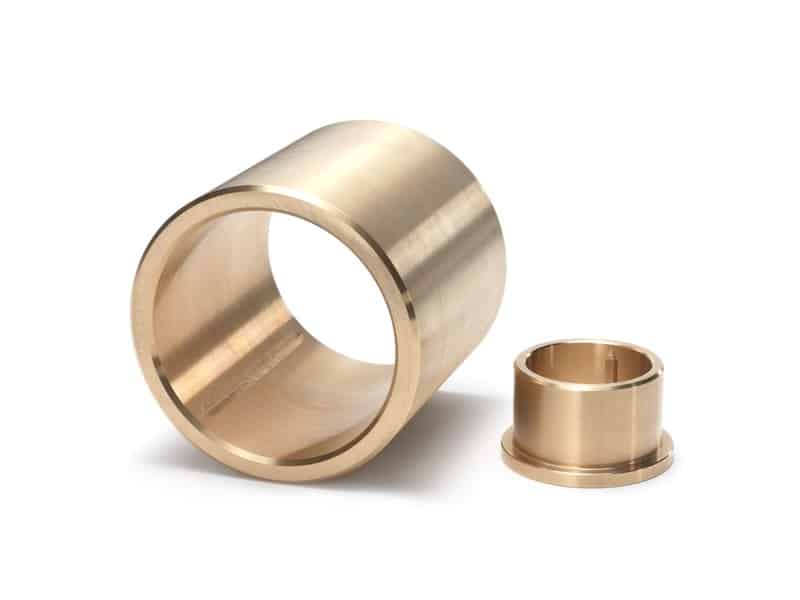
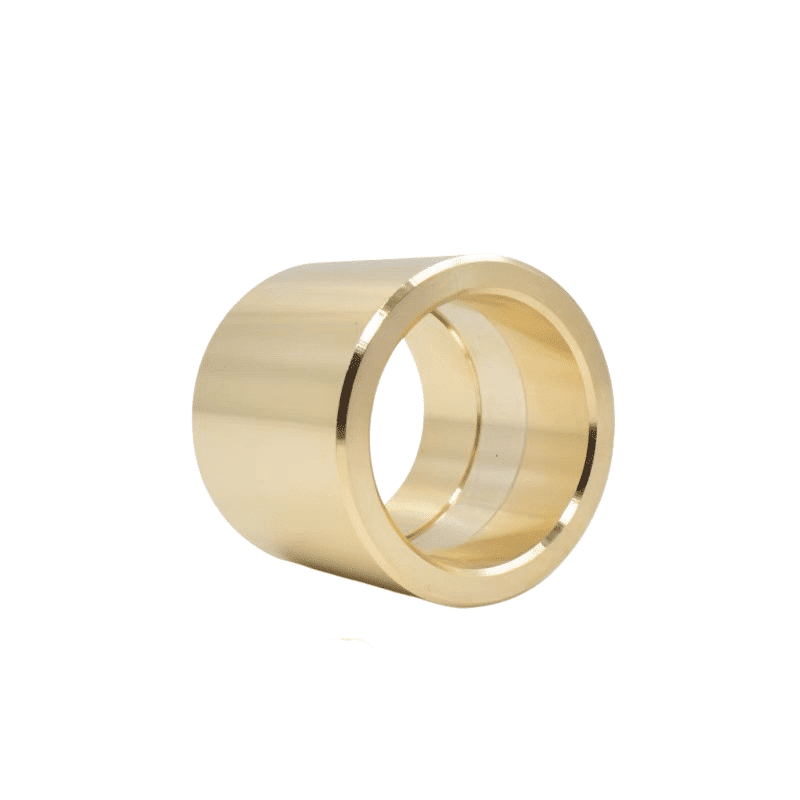
Custom Bronze Bearing & Washer
Bronze is a versatile and commonly used material for creating machine parts due to its advantageous properties such as strength, durability, and resistance to wear and tear. Bronze finished machine parts refer to machine parts that are made from bronze or finished with a layer of bronze to enhance their properties. Bronze bearings are typically made from different types of bronze alloys, each having unique properties that make them suitable for specific applications. They are commonly used in applications where high levels of friction are expected, such as in heavy machinery and automotive applications. Bronze bearings are known for their high load capacity, resistance to wear, and ability to perform under challenging conditions, such as high temperatures or corrosive environments. They require proper lubrication and maintenance to function efficiently and have a long service life.
Self-lubricating finished bronze bearing parts
“Self-lubricating finished bronze bearing parts” refers to components made of bronze that have a finish applied to them which allows them to lubricate themselves, without the need for additional lubrication. These parts are commonly used in applications where there is high friction or wear, such as in machinery or automotive parts. The self-lubricating properties of these parts help to reduce the need for maintenance and prolong their lifespan. Advantages of using bronze in CNC machining include:
- Strength and Durability: Bronze is a strong and durable metal that is resistant to wear and tear. This makes it ideal for components that need to withstand high stress or friction.
- Corrosion Resistance: Bronze has excellent resistance to corrosion and is less likely to rust or degrade when exposed to various environmental conditions.
- Good Machinability: Bronze is easy to machine, allowing for intricate and precise components to be made.
- Excellent Heat and Electrical Conductivity: Bronze is a good conductor of heat and electricity, making it suitable for components in the electrical and electronics industries.
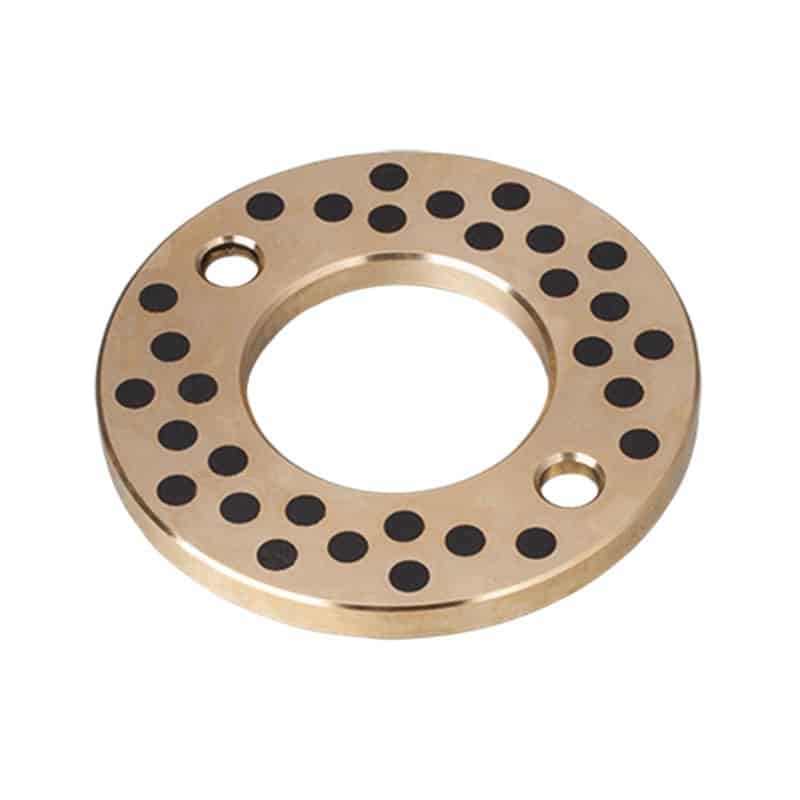
CNC bronze bearing material is a type of metal alloy that is commonly used in manufacturing bearings. This material is made up of copper, tin, and other alloying elements, which gives it good strength, durability, and corrosion resistance.
In the United States, there are several types of bronze-bearing materials that are commonly used in CNC machining. These include:
- C93200 Bearing Bronze: This is a high-leaded tin bronze alloy that is known for its excellent bearing properties and good machinability.
- C95400 Aluminum Bronze: This is a high-strength bronze alloy that contains aluminum, which gives it excellent corrosion resistance and wear properties.
- C95500 Nickel Aluminum Bronze: This high-strength bronze alloy contains nickel and aluminum, giving it exceptional strength and resistance to corrosion and wear.
These materials are often used in various industries, such as aerospace, automotive, marine, and industrial manufacturing, where reliable and durable bearings are required.
a precision machining device, also known as a Swiss-type Automatic Lathe, CNC Precision Automatic Lathe, or a Spindle Moving Type CNC Automatic Lathe. It can also be called an economical milling and lathe compound machine or a longitudinal lathe.
These devices are used for complex machining operations, including turning, milling, drilling, boring, tapping, and engraving, all in one process. They are primarily used for batch processing of precision hardware, shaft-type irregular non-standard parts.
Swiss-type automatic lathes are known for their precision and efficiency, making them a popular choice in industries that require high volume production of small, complex parts.
CNC precision automatic lathes, including Swiss-type automatic lathes, are often utilized in the production of complex and precise components such as bronze bushings and bronze bearings. These machines are capable of extremely high precision machining, often required in the creation of such components.
A bronze bushing, sometimes referred to as a bronze bearing, is a type of plain bearing that is used to reduce friction between two components. This is achieved by the sliding motion of the bearing against the shaft. Bronze is commonly used for bushings due to its excellent sliding properties and resistance to wear.
In many designs, bushings and bearings may also feature grooves. These grooves serve several purposes:
- Lubrication: The grooves can hold lubricant, which is essential in reducing friction and wear. It increases the lifespan of both the bearing and the part it interacts with.
- Heat Dissipation: As friction generates heat, grooves also help in dissipating the heat that builds up during the operation, preventing overheating of the components.
- Debris Channel: Grooves can also act as a path for small particles or debris to move out of the way, preventing them from causing blockages or additional friction.
Using CNC precision automatic lathes/Swiss-type automatic lathes to manufacture bronze bushings and bearings with grooves requires a design blueprint and the appropriate cutting tools. The design blueprint will specify the dimensions of the bushing or bearing, including the size and placement of the grooves. The CNC machine can then be programmed to follow this blueprint, cutting the bronze to the exact specifications required.
The precision of these machines allows for very intricate designs to be made, including the small grooves required in these bushings or bearings. This process ensures that each component is made to the highest level of accuracy, improving the performance and lifespan of the parts.
Self-lubricating bearings are designed to operate without additional lubrication, which reduces maintenance and operating costs. These bearings typically have a porous structure that is impregnated with a lubricating material, such as graphite or PTFE.
CNC finished parts with grooves can be used to enhance the performance of self-lubricating bearings by providing channels for the lubricant to flow and distribute evenly across the bearing surface. The grooves can also help to prevent the buildup of debris and contaminants that can interfere with the operation of the bearing.
CNC machining is a popular method for manufacturing self-lubricating bearing parts with grooves. This process allows for precise and accurate machining of complex shapes and features, ensuring that the bearing operates smoothly and efficiently.
Self-lubricating bearings with grooves can provide reliable and low-maintenance performance in a wide range of industrial applications, such as aerospace, automotive, and heavy equipment manufacturing.
A self-lubricating bronze bushing is an important component of CNC automatic lathe machines. These bushings are a type of bearing, designed to support the rotational motion between different parts of the machine. They play a critical role in minimizing friction and wear, ensuring smooth operation and longevity of the machine components.
Self-lubricating bronze bushings, as the name suggests, have lubricant stored within the bearing itself. The design typically includes tiny pores or channels within the bronze material, which contain lubricant. When the bushing is in operation, the heat generated causes the lubricant to be released from these pores, providing a consistent layer of lubrication between the moving parts. This innovative design reduces the need for manual lubrication, improving operational efficiency and reducing maintenance costs.
The bronze material offers several benefits as well. It’s a strong, durable metal that can handle high loads and resist wear, making it ideal for industrial applications like CNC automatic lathes. It also has excellent thermal conductivity and corrosion resistance.
Choosing a self-lubricating bronze bushing for a CNC automatic lathe machine means prioritizing reliability, smooth operation, and long-term durability. By effectively managing friction and reducing the need for regular maintenance, these bushings can significantly enhance the performance and lifespan of the machine.
It’s important to select the right type of bushing for your specific application, considering factors like load capacity, speed, operating temperature, and the environmental conditions. If you’re uncertain about what type of bushing to use, consulting with a machine component supplier or a mechanical engineer might be a good idea.
Self-lubricating bronze plugged bearings with grooves
Self-lubricating bronze plugged bearings with grooves are a type of bearing that is designed to operate without additional lubrication. These bearings have a porous structure that is impregnated with a lubricating material, such as graphite or PTFE. In addition, the bearings have plugs made of bronze or other materials that help distribute the lubricating material evenly across the bearing surface.
The grooves in the bearing provide channels for the lubricant to flow, which helps ensure smooth and efficient operation. The grooves also help prevent the buildup of debris and contaminants that can interfere with the performance of the bearing.
CNC machining is a common method for manufacturing self-lubricating bronze plugged bearings with grooves. This process allows for precise and accurate machining of the bearing to ensure that it operates smoothly and efficiently.
Self-lubricating bronze plugged bearings with grooves are often used in demanding industrial applications where reliable and low-maintenance operation is critical. These applications may include aerospace, automotive, and heavy equipment manufacturing, among others.
Precision CNC Machining Bronze Bearing Design
topic of designing bronze bearings with precision CNC machining.
Step 1: Designing the Bearing
The design phase is crucial in creating an efficient and effective bronze bearing. Some key factors to consider include:
- Load Capacity: The bearing should be designed to handle both the static and dynamic loads of the application.
- Speed Limit: The design should accommodate the operating speed without causing excessive friction or heat.
- Operating Environment: The design should be suitable for the environment, taking into account factors like temperature, moisture, and potential contamination.
Computer-aided design (CAD) software is typically used to create the design of the bearing, which is then exported to a format that the CNC machine can understand.
Step 2: Selecting the Material
Bronze is an excellent choice for bearings due to its superior load carrying capabilities, excellent heat dissipation, and resistance to wear and corrosion. There are different types of bronze alloys, and the choice depends on the specific requirements of the application. Some popular choices include SAE 660 bearing bronze, aluminum bronze, and phosphor bronze.
Step 3: CNC Machining Process
After the design is finalized and the material is selected, the next step is precision CNC machining. This process involves the following steps:
- Programming: The design file is used to program the CNC machine. This involves setting the cutting paths and tool speeds.
- Setting Up: The bronze material is secured onto the CNC machine. The tools required for the machining process are also set up.
- Machining: The CNC machine follows the programmed instructions to cut the bronze material into the desired shape. This is done with high precision and accuracy.
- Finishing: After machining, the bearing may require finishing processes like deburring, polishing, or coating to ensure it meets the required specifications.
Step 4: Quality Assurance
The final step is to ensure that the finished bearing meets the design specifications. This is typically done using precision measuring instruments. The bearing might be subjected to tests to verify its load capacity, friction coefficient, and other performance characteristics.
This process allows for the production of high-quality bronze bearings with high precision and repeatability. It is crucial to work with experienced CNC machining services to ensure that the bearings are manufactured to the highest standards.
Advancements in CNC Automatic Lathe Machine: Precise Customized Machining of Bushings with Drilling Holes
With the advent of the Fourth Industrial Revolution, the world of manufacturing has seen a paradigm shift in terms of precision, efficiency, and versatility. One of the most significant advancements has been in the realm of CNC (Computer Numerical Control) machining, specifically, the automatic lathe machines. The revolutionized CNC automatic lathe machine has demonstrated its exceptional ability in the precise, customized machining of bushings with drilled holes.
The Bushing Challenge
Bushing, an integral part of many mechanical and electrical systems, plays a crucial role in reducing friction, limiting vibration, and maintaining the alignment of parts in the assembly. It is typically a cylindrical component with a drilled hole in the center, where it can be subjected to significant stress and wear during operation. Hence, precision in the manufacturing process of bushings is of utmost importance. The creation of bushings with precise dimensions and holes presents a challenge that calls for advanced machining technology.
The CNC Automatic Lathe Machine Solution
The CNC automatic lathe machine, a technological marvel, is a game-changer in the production of bushings. Unlike traditional lathes, it is computer-controlled, enabling it to produce parts with incredible accuracy and consistency. This makes it the ideal solution for creating bushings that require precise machining and drilling.
The CNC automatic lathe can process a wide range of materials, including metals and plastics, to produce customized bushings. The machine can be programmed to execute precise cuts and drill holes with an accuracy down to a few micrometers. It utilizes CAD (Computer-Aided Design) and CAM (Computer-Aided Manufacturing) software to design and produce parts based on exact specifications, ensuring the perfect fit every time.
Not only does the CNC automatic lathe machine offer precision, but it also provides efficiency. The automation of the lathe machine allows for continuous, unattended operation, leading to an increase in productivity. This ability to mass-produce identical parts without compromising quality is invaluable in the manufacturing industry.
Customized Machining of Bushings
CNC automatic lathe machines are capable of creating highly customized bushings with drilled holes. The customization level includes varying dimensions, different materials, and specific hole positions and sizes. This feature is critical in industries where components must conform to unique specifications, such as aerospace, automotive, and medical industries.
Drilling holes in bushings is a critical aspect of the customization process. The CNC automatic lathe machine can drill holes of varying sizes and positions with remarkable precision. This is especially crucial when the bushings are intended for use in high-stress environments, where even the smallest deviation from the specified dimensions could lead to failure.
Conclusion
In conclusion, the CNC automatic lathe machine represents a significant leap forward in the field of manufacturing. Its ability to offer precise, customized machining of bushings with drilling holes is an undeniable advantage. With its unparalleled precision, efficiency, and versatility, it is set to revolutionize the manufacturing of bushings and other intricate components, propelling the industry towards a future of higher productivity and quality.
Leveraging CNC Automatic Lathe Machines for Custom Turning of Bronze Parts
The evolution of manufacturing technologies has seen a significant shift towards precision, automation, and efficiency. At the forefront of this technological transformation is Computer Numerical Control (CNC) machinery. Specifically, CNC automatic lathe machines have revolutionized the fabrication of customized components, including the turning of bronze parts.
The Significance of Bronze Parts
Bronze, an alloy composed primarily of copper and tin, is renowned for its durability, corrosion resistance, and excellent machinability. Due to these attributes, it has found diverse applications in industries such as automotive, aerospace, marine, and electronics. The manufacturing of custom bronze parts requires a high degree of precision and control, which is best achieved through CNC turning.
CNC Turning of Bronze Parts
CNC turning is a subtractive manufacturing process in which a cutting tool moves linearly while the workpiece rotates. This process is ideal for producing cylindrical or round parts, and it’s here that the CNC automatic lathe machine shines.
With a CNC automatic lathe machine, custom bronze parts can be manufactured with high precision and consistency. The machine uses CAD (Computer-Aided Design) and CAM (Computer-Aided Manufacturing) software to design and fabricate parts based on exact specifications.
The CNC automatic lathe can produce a wide array of custom bronze parts, from simple bushings and washers to complex components with intricate details. The ability to create parts with such accuracy and consistency allows manufacturers to meet the specific demands of various industries.
The Advantage of CNC Automatic Lathe Machines
CNC automatic lathe machines offer several advantages over traditional lathe machines. The automation feature allows for continuous, unattended operation, leading to increased productivity. These machines can produce large quantities of identical parts without compromising on quality, an essential requirement in mass production scenarios.
CNC Precision Automatic Lathe Bronze Washer
CNC (Computer Numerical Control) automatic lathe machines are widely used in manufacturing industries for creating complex parts with high precision. These machines can be programmed to perform various operations automatically, such as cutting, drilling, and turning, reducing human intervention and error. When it comes to creating custom bronze thrust washer bearings, these machines offer several significant advantages.
- High Precision and Accuracy: CNC automatic lathe machines are known for their high level of precision and accuracy, which is crucial for making parts like thrust washer bearings where even minute errors can lead to performance issues.
- Consistency: Since these machines are computer-controlled, they can produce identical parts consistently, ensuring that each thrust washer bearing meets the exact specifications.
- Efficiency: These machines can operate continuously 24/7, only needing to stop for maintenance or tool change. This makes them highly efficient, especially for large scale production of custom bronze thrust washer bearings.
- Flexibility: As the design of the thrust washer bearing can be programmed into the machine, it allows for a high level of customization. Changes can be made quickly and easily without the need for manual adjustments.
- Cost-Effective: Despite the high initial investment, CNC automatic lathe machines can be cost-effective in the long run due to reduced labor costs, less waste, and increased efficiency.
The process of creating custom bronze thrust washer bearings using a CNC automatic lathe machine involves a few steps:
- Designing: The first step is designing the thrust washer bearing using CAD (Computer-Aided Design) software. The design includes all the specifications and dimensions of the bearing.
- Programming: The CAD design is then converted into a CNC program using CAM (Computer-Aided Manufacturing) software. The program contains all the instructions for the machine to create the part.
- Setup: The bronze material is loaded into the machine, and the appropriate cutting tools are installed. The CNC program is then loaded into the machine’s control unit.
- Machining: The machine follows the instructions in the CNC program to cut, drill, and turn the bronze material into the shape of the thrust washer bearing.
- Inspection: After machining, the part is inspected for quality and accuracy. If any errors are detected, they can be corrected in the CNC program, and the process is repeated.
Precision Machining Bronze Washer
CNC automatic lathe machines provide a reliable, efficient, and accurate method for manufacturing custom bronze thrust washer bearings. With the right setup and programming, these machines can produce high-quality bearings that meet specific requirements.
Precision machining is a process used to create the exact parts needed as per your project’s specifications. The machining process involves removal of materials from a workpiece while ensuring to control the depth of cut to a high level of accuracy.
For creating a bronze washer, here are the basic steps involved in precision machining:
- Designing: Before anything else, a precise design of the washer is required. This would include the outer and inner diameters, thickness, and any other specific features. The design is usually created using CAD (Computer-Aided Design) software.
- Setting up the Machine: The next step is to set up the machine for the machining process. This includes selecting the right tools and fixtures, and setting up the CNC (Computer Numerical Control) machine with the correct programs to run the machining process. In this case, you would need a cutting tool that’s suitable for bronze.
- Cutting the Material: The CNC machine will then start cutting the bronze material according to the programmed instructions. This might be done in several passes to achieve the desired level of precision and finish.
- Finishing: After the machining process is complete, the washer might undergo some finishing processes like deburring (to remove any sharp edges or burrs) and polishing (to achieve a smooth surface finish).
- Inspection: The final step in the process is to inspect the washer to make sure it meets the required specifications. This can be done using various measuring tools like micrometers and calipers.
Remember that bronze is a relatively soft metal, which can make it easier to machine but also more prone to damage if not handled correctly. Always follow the correct machining parameters (like feed rate and cutting speed) to ensure a good result.
Also note that precision machining can produce high-quality parts, but it can also be more time-consuming and costly than other manufacturing methods. It’s best suited for applications where high precision is needed.