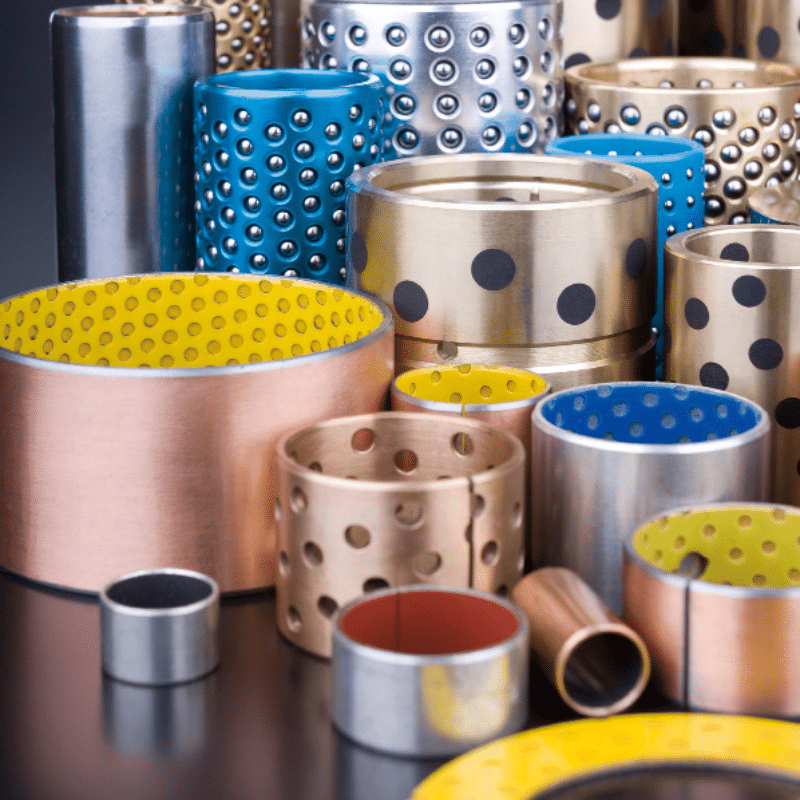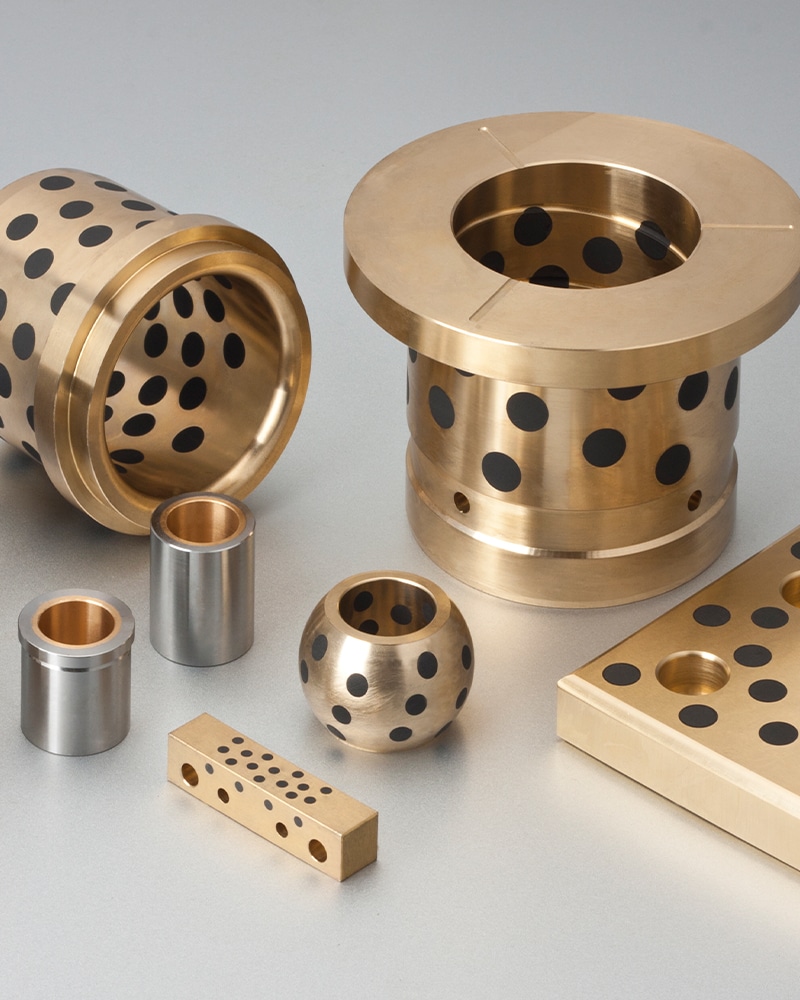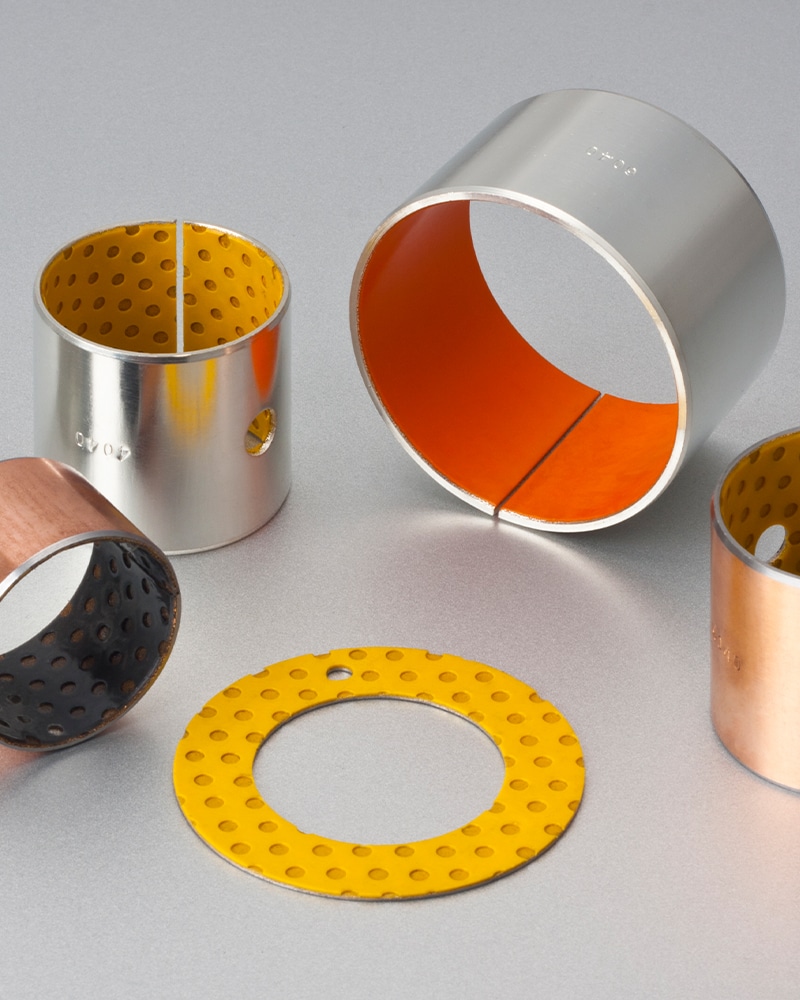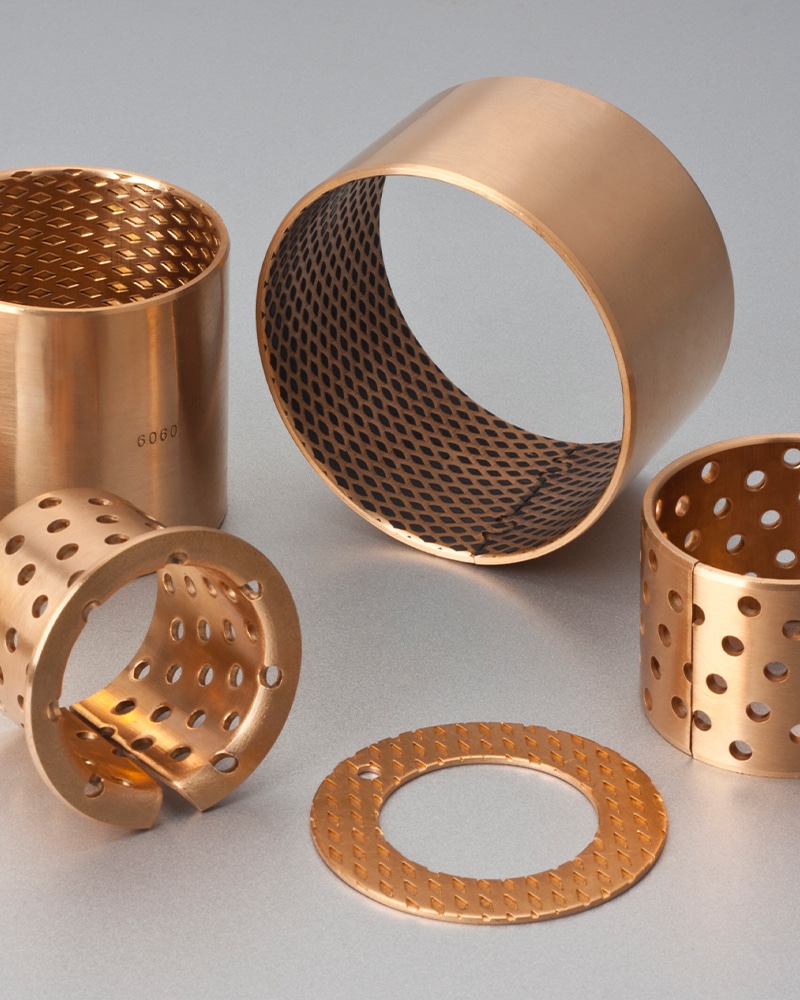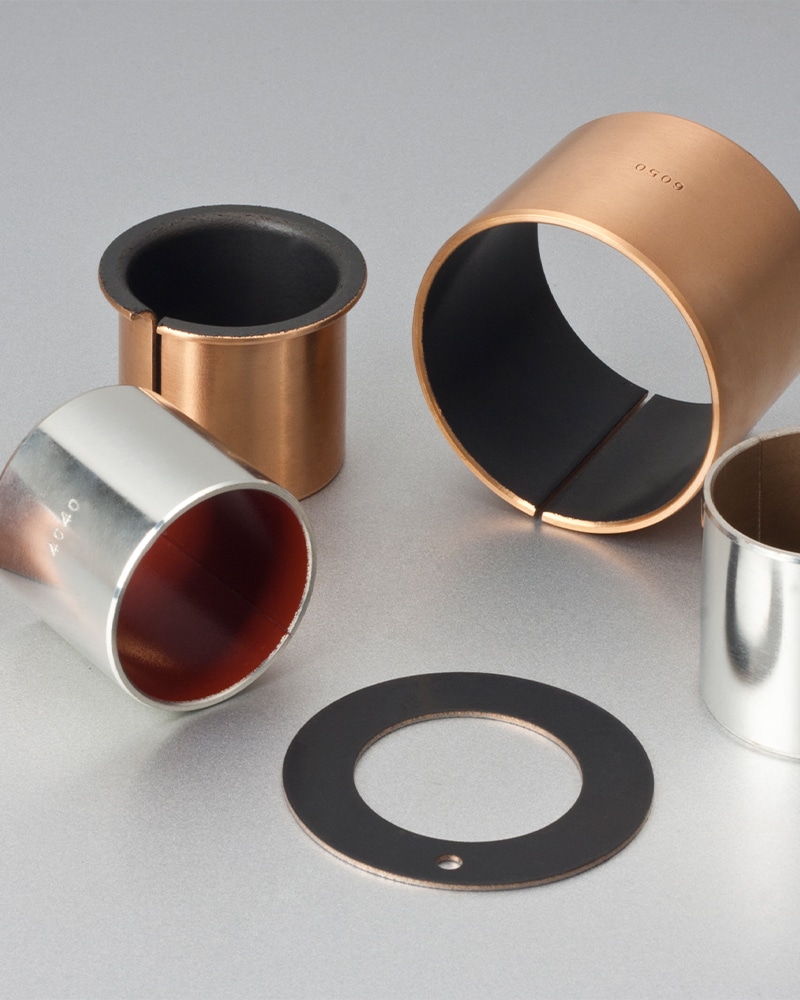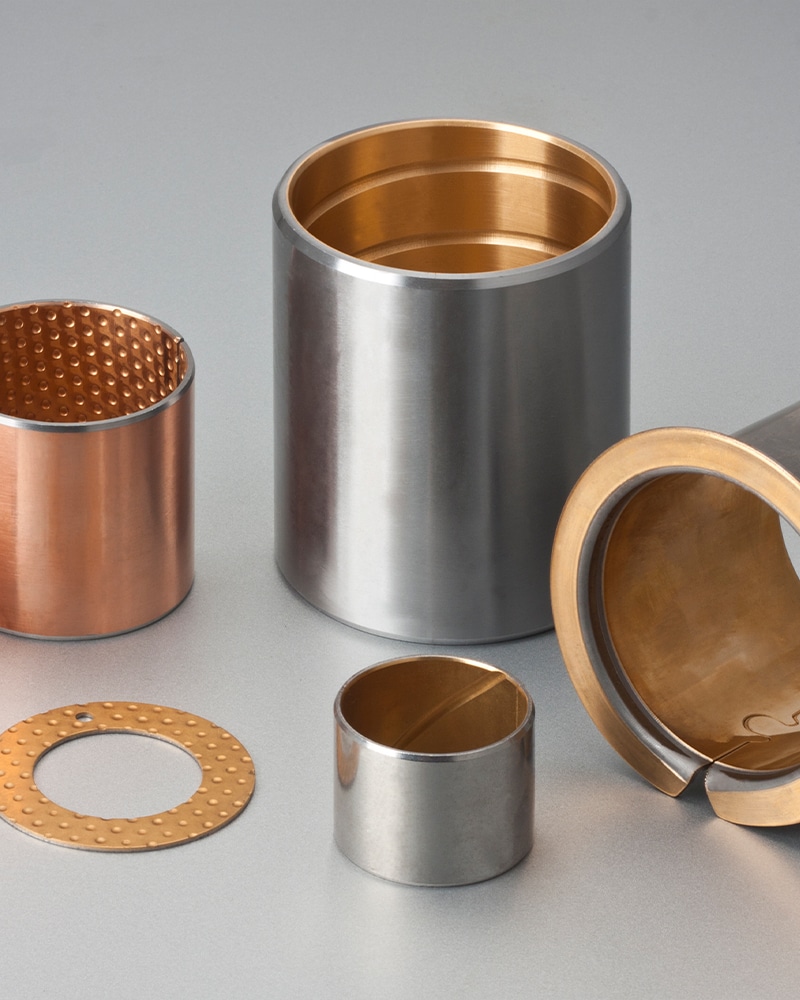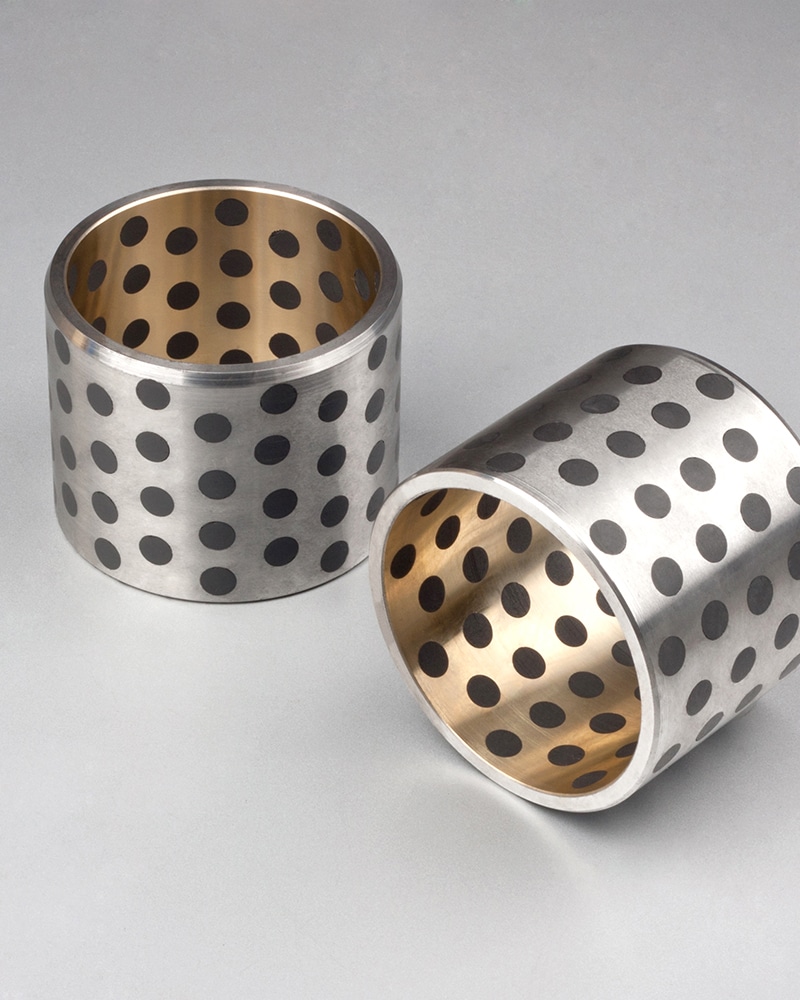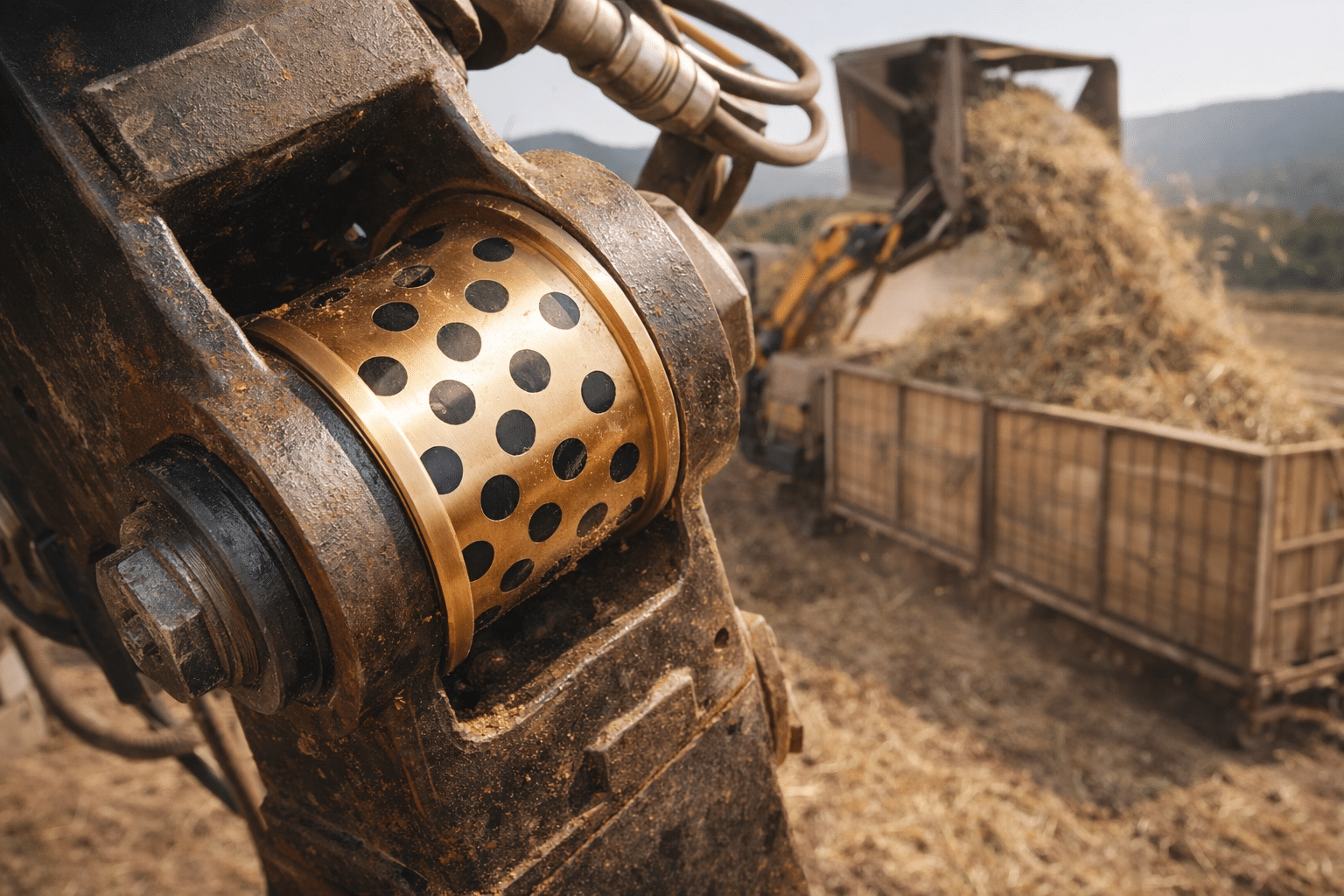

Tin Bronze Bearing Precision Machined Parts
he Ultimate Guide to Pb2 Bronze: Centrifugal Casting & Precision Machined Parts
Precision in Motion: Why Centrifugal Casting and Pb2 Bronze Are a Perfect Match
In the world of mechanical engineering, the performance of a machine is only as strong as its weakest component. For applications involving rotating shafts, heavy loads, and demanding conditions, the choice of material and manufacturing process for bearings and bushings is critical. This is where the powerful combination of Pb2 bronze alloy and the centrifugal casting process truly shines.
This article dives deep into why this specific pairing results in superior, final-machined bronze parts that deliver reliability and longevity. We’ll break down the material, the process, and how they synergize to create components ready for the most demanding jobs.
Understanding the Material: What is Quality Pb2 Bronze?
Pb2 Bronze is a type of leaded tin bronze. Its name gives a clue to its composition: it’s primarily a copper-tin alloy with a small, but crucial, addition of lead (typically around 2%).
The “Pb” is the chemical symbol for lead. While many modern applications are moving away from lead, its inclusion in specific alloys like Pb2 is a deliberate engineering choice for performance reasons.
The Critical Role of ~2% Lead
The small percentage of lead isn’t just a filler; it’s a performance enhancer. Lead is insoluble in the copper-tin matrix, meaning it exists as tiny, soft particles dispersed throughout the material. This creates several key advantages:
-
Inherent Lubricity: The soft lead particles act as a solid lubricant, smearing across the surface under pressure. This is a lifesaver in situations of marginal lubrication, where the primary oil or grease film might temporarily break down.
-
Anti-Seizing Properties: If metal-to-metal contact occurs, the lead particles prevent the shaft and bearing from welding together (seizing), which would cause catastrophic failure.
-
Conformability: The alloy can “conform” slightly to misalignments in a shaft, embedding small foreign particles and preventing them from scoring the shaft.
-
Excellent Machinability: The lead particles act as chip breakers during machining, resulting in a smoother surface finish and making it easier to achieve tight tolerances.
Pb2 Bronze Properties at a Glance
| Property | Rating & Explanation |
| Wear Resistance | Excellent |
| Anti-Friction | Excellent (Ideal for preventing seizure under load) |
| Machinability | Excellent (Leads to cost-effective, precise parts) |
| Load Capacity | Medium (Suitable for many industrial applications) |
| Speed Capacity | Low-to-Moderate |
| Corrosion Resistance | Good (Suitable for most industrial environments) |
| Conformability | Very Good (Forgiving of minor shaft imperfections) |
The Manufacturing Powerhouse: The Centrifugal Casting Process
While the material is crucial, how it’s formed is equally important. Centrifugal casting is a superior method for producing high-integrity, hollow cylindrical parts like bushings and sleeves.
The Process in a Nutshell:
-
A permanent, cylindrical mold is rotated at high speed.
-
Molten Pb2 bronze is poured into the rotating mold.
-
Immense centrifugal forces (often many times the force of gravity) push the heavier, denser metal to the outer wall of the mold.
-
Lighter impurities, such as slag and gas porosity, are forced to the inner diameter.
-
The metal solidifies from the outside-in under pressure, creating a highly dense, fine-grained structure.
Why Centrifugal Casting? A Comparison of Methods
Not all casting is created equal. The directional solidification and intense pressure of centrifugal casting give it a distinct advantage over other common methods like sand or static casting.
| Feature | Centrifugal Casting | Sand Casting | Static (Gravity) Casting |
| Grain Structure | Fine, dense, uniform. Solidification under pressure refines the grain for superior strength. | Coarse, less uniform. Slower, unpressurized cooling leads to larger grains. | Coarse, potential for variation. Gravity alone doesn’t refine the structure as effectively. |
| Purity & Integrity | Extremely High. Impurities and gases are pushed to the inner bore and machined away. | Lower. Risk of sand inclusions and trapped gas porosity. | Moderate. Porosity can be an issue without the pressure to force it out. |
| Mechanical Strength | Highest. The fine-grained, dense structure significantly improves tensile strength and fatigue resistance. | Lowest. Coarser grains and potential defects reduce overall strength. | Moderate. Better than sand, but not as strong as centrifugal. |
| Dimensional Accuracy | Near-Net Shape. Excellent initial accuracy reduces subsequent machining time and material waste. | Low. Requires significant machining allowance to reach final dimensions. | Fair. Better than sand casting, but less precise than centrifugal. |
The Bottom Line: Centrifugal casting isn’t just a forming process; it’s a refining process. It takes a quality alloy like Pb2 bronze and enhances its properties, resulting in a mechanically superior component from the very start.
The Final Step: Precision Machining to Final Dimensions
The output of the centrifugal casting process is a “near-net shape” tube or blank. While dimensionally accurate, it’s not yet a ready-to-install part. This is where precision machining comes in.
The inner diameter, which contains the impurities forced there during casting, is bored out. The outer diameter is turned, and faces, flanges, oil grooves, or mounting holes are added as required.
Because Pb2 bronze has excellent machinability, this final stage is efficient and precise. The result is a cast bronze, machined bronze part that meets exact specifications, with tight tolerances and a smooth surface finish, ready for immediate installation.
Real-World Applications: Where Pb2 Bronze Parts Excel
The unique combination of properties from the Pb2 alloy and the centrifugal casting process makes these components ideal for a range of applications:
-
Hydraulic Machinery Bushings: Withstands high pressure and performs reliably even if hydraulic fluid lubrication is temporarily compromised.
-
Gearbox Bearings: Offers excellent wear resistance against hardened steel shafts in continuous, moderate-speed rotation.
-
Guide Sleeves for Industrial Equipment: The precision dimensions and anti-seizing nature ensure smooth, reliable linear motion.
-
Marine Hardware: Provides good all-around performance for general-purpose bearings and fittings in less corrosive marine environments.
-
Pump Components & Piston Pin Bushings: A reliable choice for medium-load, oscillating, or rotating applications.
Summary: Your Quick Reference Guide
| Aspect | Specification |
| Material | Bronze Alloy – Quality Pb2 (Cu–Sn–Pb, ~2% Lead) |
| Manufacturing Process | Centrifugal Casting (for a dense, pure blank) followed by Precision Machining |
| Finish | Final machined dimensions for ready-to-install parts |
| Product Form | Cast bronze, machined bronze components (bushings, sleeves, flanged bearings, etc.) |
Conclusion: An Engineered Solution for Performance and Value
Choosing the right component isn’t just about picking a material off a chart. It’s about understanding how the material and its manufacturing process work together to create a final product that performs reliably under pressure.
For medium-load, low-to-moderate speed applications requiring excellent wear resistance and a safety net against lubrication failure, the choice is clear. Machined bronze parts made from centrifugally cast Pb2 bronze offer an engineered solution that delivers superior mechanical properties, precision, and long-term value.
Ready to engineer your next component with the proven strength of centrifugally cast Pb2 bronze? Contact our experts today to discuss your project specifications and get a custom quote on precision-machined parts.
Key Features of Tin Bronze Bushing Groove Bearings:
Tin bronze bushing groove bearings are a type of plain bearing made from tin bronze, a copper alloy that typically contains tin as the primary alloying element, along with small amounts of other elements like phosphorus, zinc, or lead. These bearings are known for their excellent wear resistance, low friction, and good corrosion resistance, making them suitable for various industrial applications.
High Quality Phosphor Bronze Casting
Featuring a slightly higher tin content, PB2 phosphor bronze provides excellent wear resistance, high strength, and good machinability.
Durable PB2 Phosphor Bronze
PB2 Phosphor Bronze is a high-strength alloy with more tin and phosphorus than PB1, making it ideal for heavy-duty bearings and bushings.