PTFE-Based Multilayer Composite Self-Lubricating Bushings
High-Performance Tribological Solutions for Maintenance-Free Operation
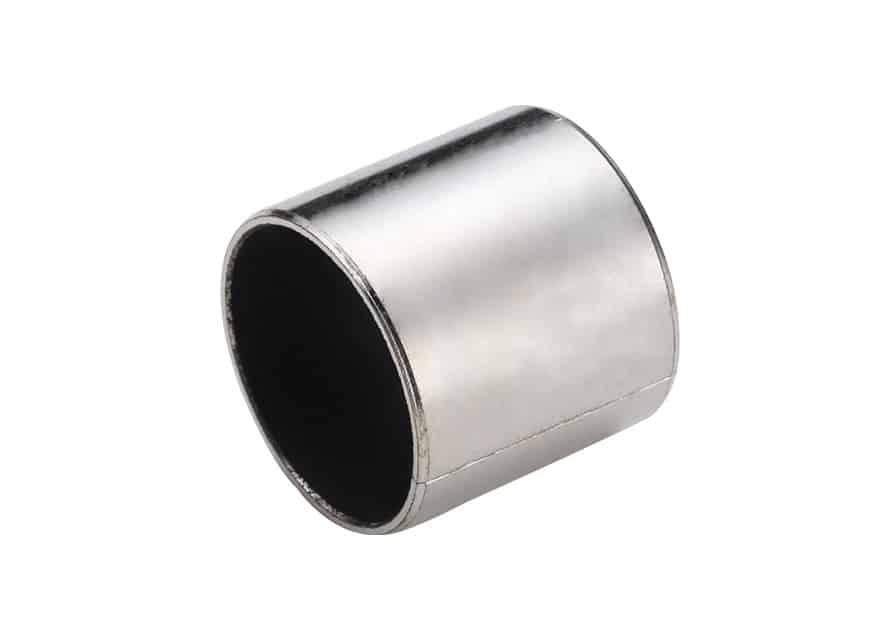
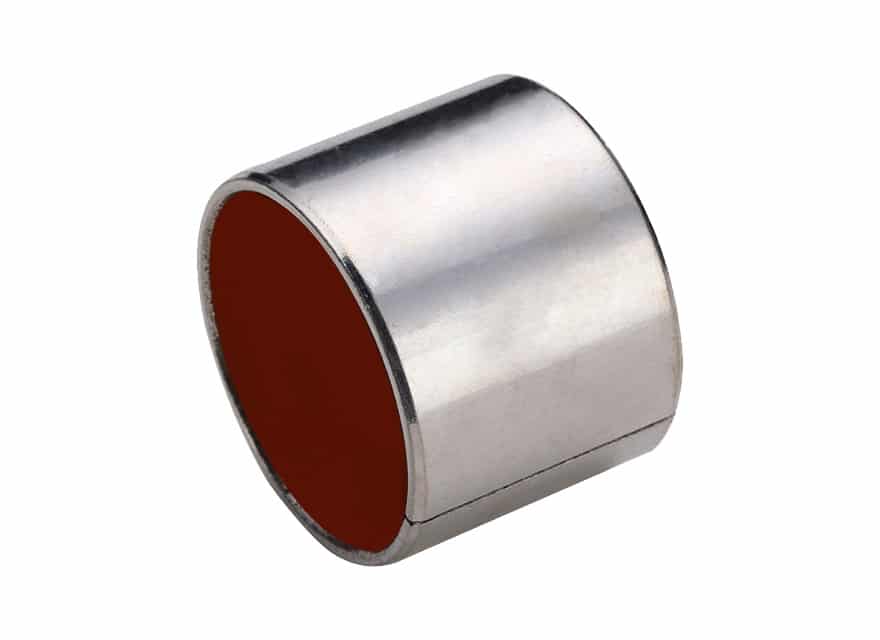
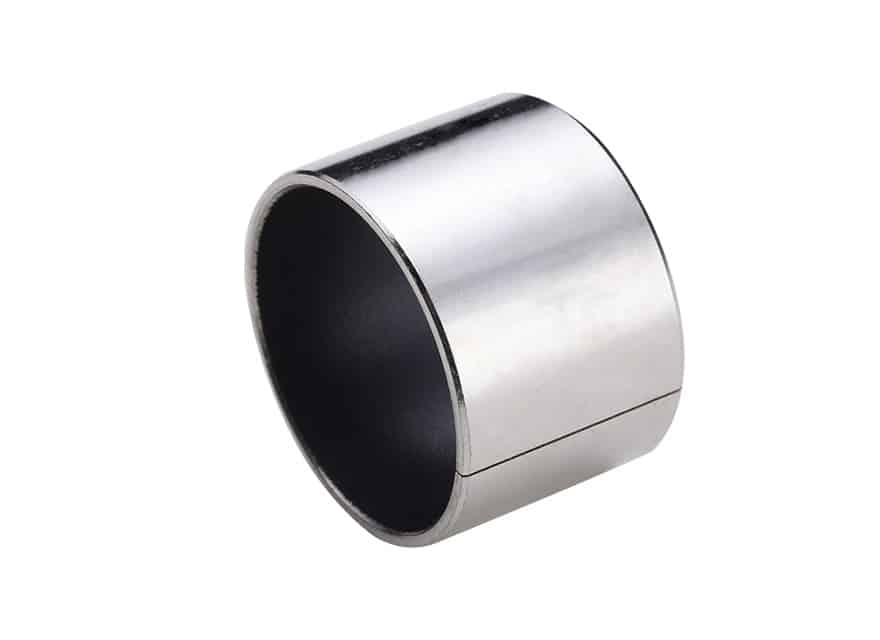
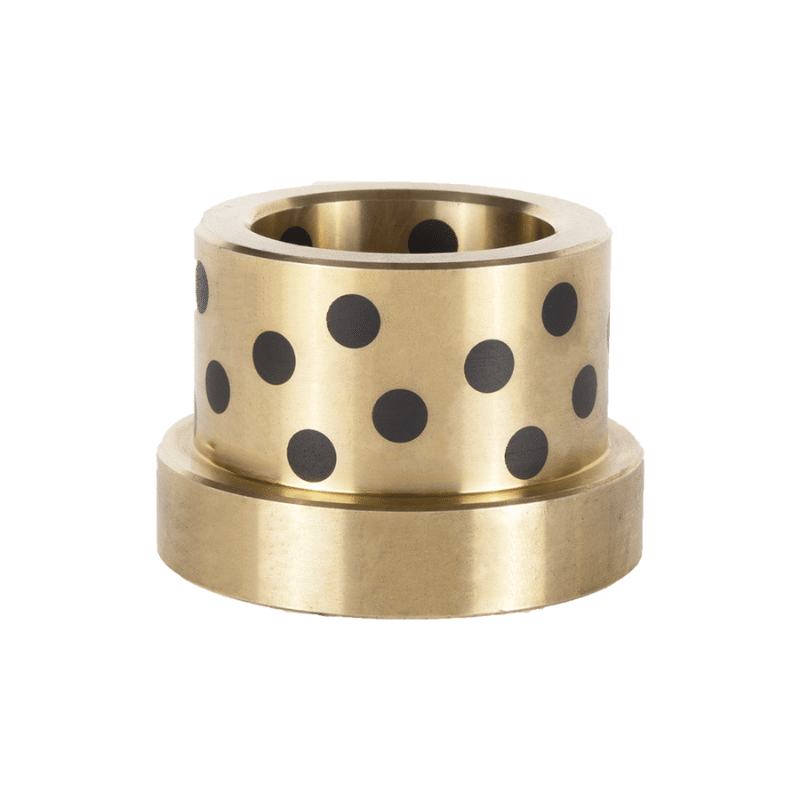
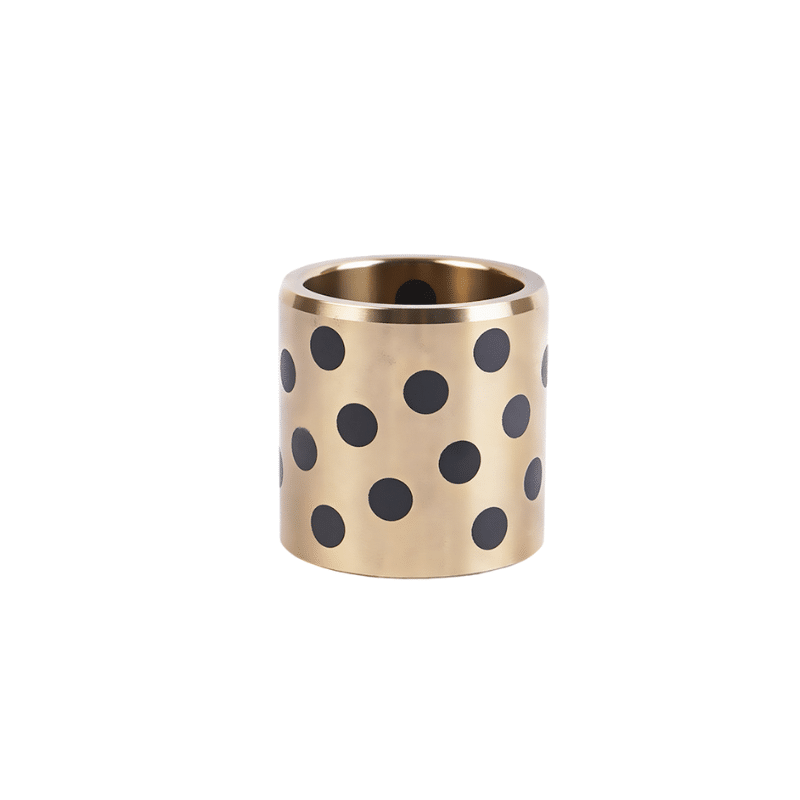
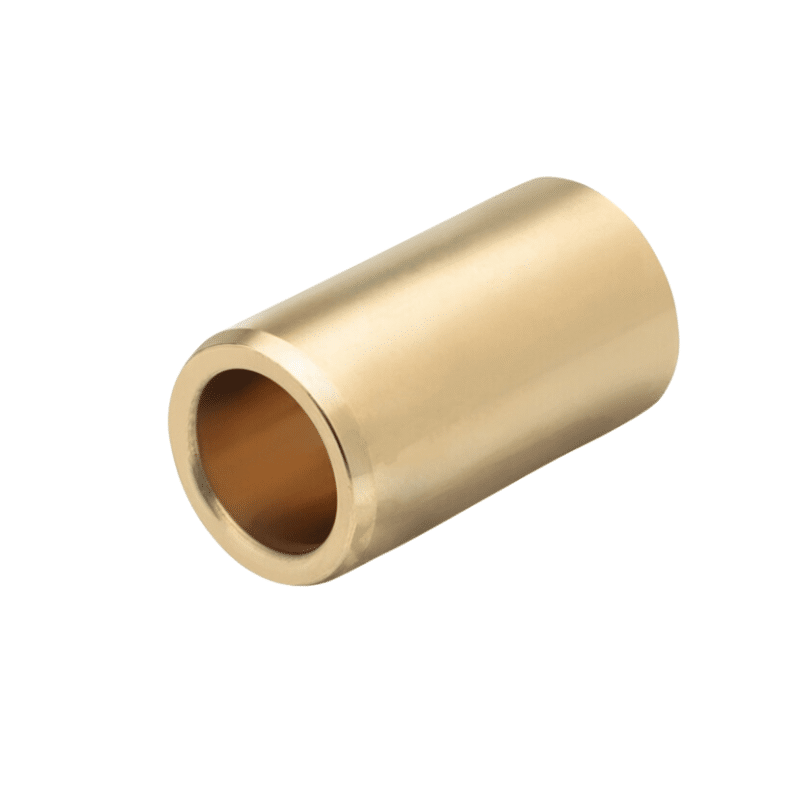
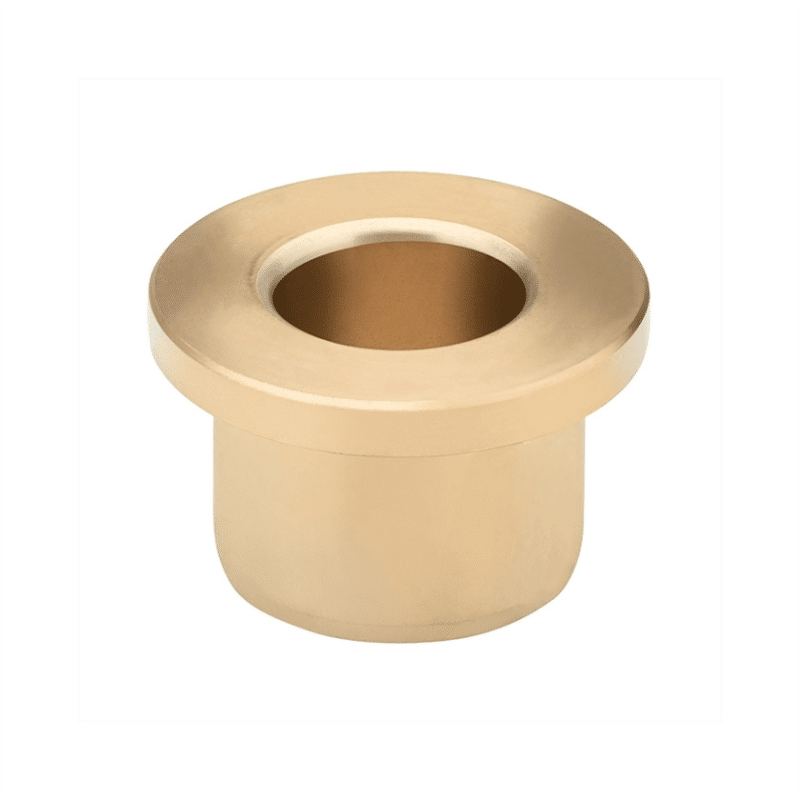
PTFE-based multilayer composite bushings are engineered to provide reliable service in environments where conventional lubrication is either difficult to apply or entirely prohibited. These three-layer plain bearings leverage the synergy between metallic strength and polymer lubricity, offering a stable friction coefficient across a wide range of loads and speeds.
1. Structural Composition: The Triple-Layer Advantage
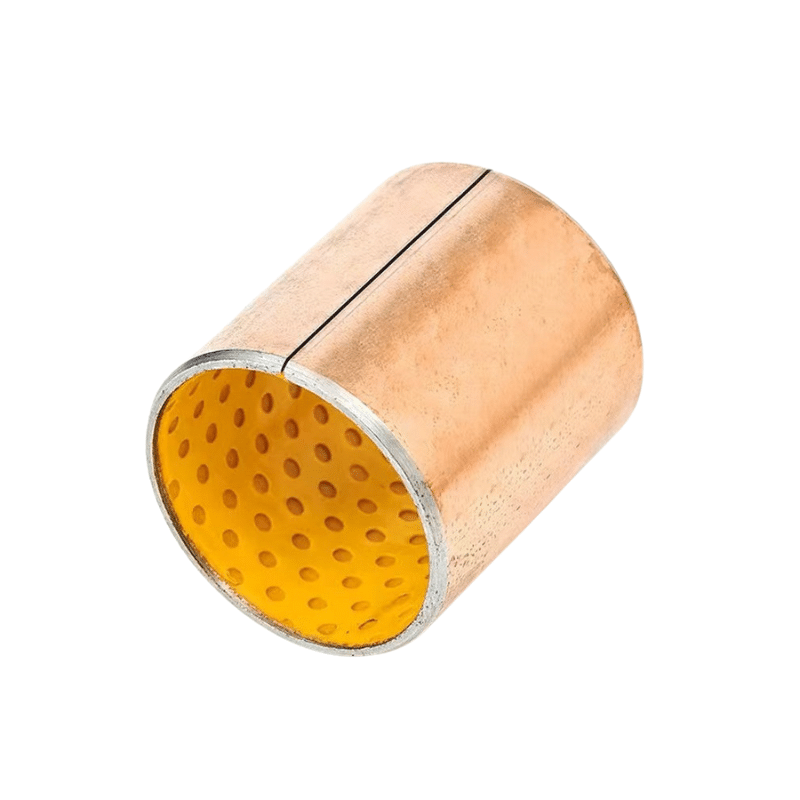
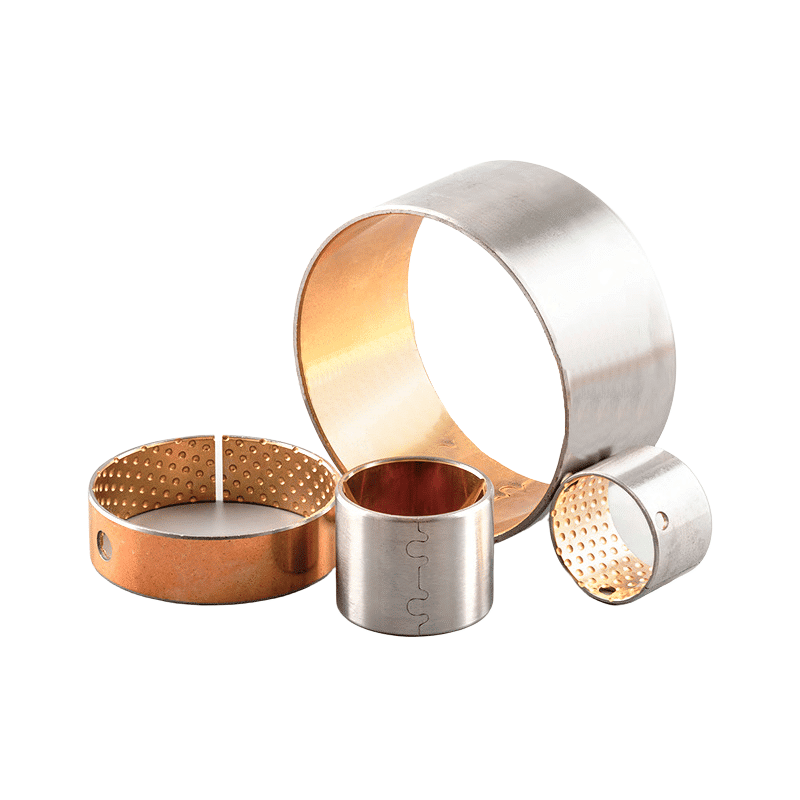
The integrity of the PTFE composite bushing is derived from its unique three-layer architecture, each serving a critical mechanical function:
-
Steel Backing (Base Layer): Typically constructed from low-carbon steel, providing high load-carrying capacity and structural stability. The outer surface is usually treated with a corrosion-resistant coating (e.g., tin or copper plating).
-
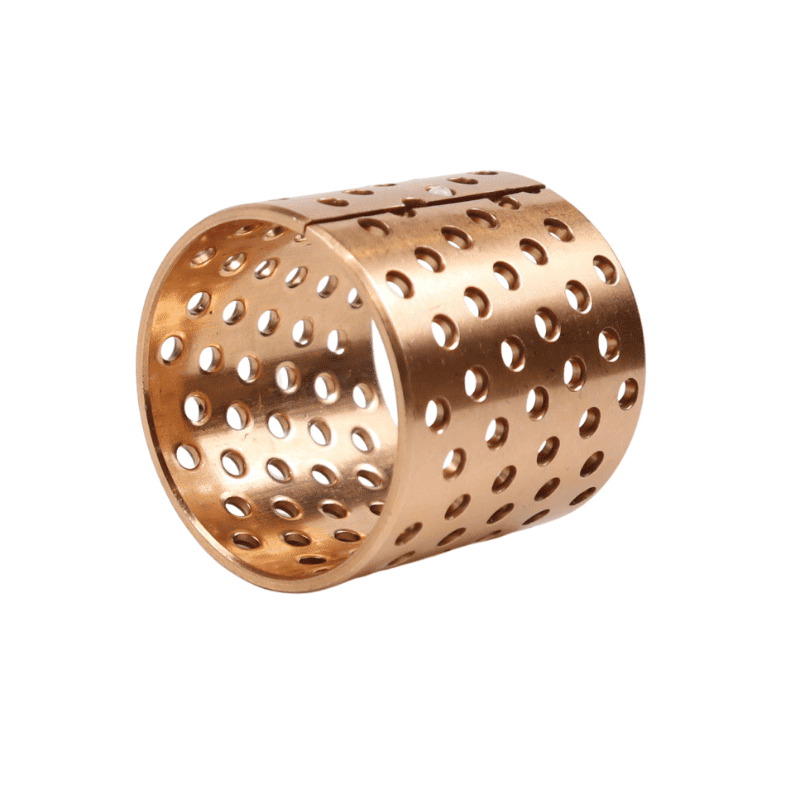
Porous Bronze Interlayer: A layer of spherical bronze powder is sintered onto the steel base. This porous matrix acts as a thermal bridge for heat dissipation and provides a mechanical “interlock” for the functional surface layer.
-
PTFE Sliding Surface: A mixture of Polytetrafluoroethylene (PTFE) and specialized fillers (such as lead or anti-wear fibers) is impregnated into the bronze pores. This layer forms the low-friction interface and the lubricant transfer film during operation.
2. Tribological Performance & The Wear Mechanism
The service life of a PTFE composite bushing is defined by the transfer of material between the bushing and the mating shaft. This process occurs in three distinct phases:
-
Running-in Phase (Phase I): During the initial hours of operation, the PTFE mixture on the surface is transferred to the mating shaft. This fills the microscopic asperities of the shaft, creating a smooth polymer-to-polymer interface.
-
Stabilization Phase (Phase II): Once the transfer film is established, friction occurs between the PTFE on the bushing and the PTFE film on the shaft. This results in a stable, low wear rate and a consistent friction coefficient.
-
Wear-Limit Phase (Phase III): As the PTFE lubricant within the bronze interlayer is gradually consumed, the friction coefficient rises. Once approximately 70% of the bronze mesh is exposed, the bushing has reached its functional service limit.
3. Technical Specifications & Operating Limits
The following parameters define the engineering boundaries for standard PTFE composite bushings.
| Load Capacity (P) |
Static Limit |
250 N/mm² |
| |
Dynamic Limit |
140 N/mm² |
| |
Oscillation Limit |
60 N/mm² |
| Velocity Upper Limit (V) |
Dry Lubrication |
2.5 m/s |
| |
Oil Lubrication |
>5.0 m/s |
| PV Value Upper Limit |
Dry/Grease Lubrication |
1.8 N/mm²·m/s |
| |
Oil Lubrication |
3.6 N/mm²·m/s |
| Friction Coefficient (μ) |
Dry Lubrication |
0.08 ~ 0.20 |
| |
Oil Lubrication |
0.02 ~ 0.07 |
| Temperature Range |
Continuous Operation |
-200℃ to +280℃ |
| Thermal Conductivity |
|
40 W/(m·k) |
4. Industry Case Applications
PTFE composite bushings are utilized across diverse industrial sectors where cleanliness and durability are paramount:
-
Textile & Printing Machinery: In these environments, oil contamination can ruin end-products. PTFE bushings allow for dry operation, ensuring a clean manufacturing process.
-
Renewable Energy (Wind Power): Used in non-critical auxiliary components and pitch control linkages where high static loads and slow oscillating movements are common.
-
Hydraulic Systems: Frequently applied as gear pump side plates or cylinder guide sleeves, where the fluid itself provides secondary cooling while the PTFE handles start-stop friction.
-
Fitness Equipment: Provides silent, maintenance-free rotation for high-cycle use in commercial gym machinery.
5. Design & Life Optimization Factors
To achieve the full potential of the PTFE series, engineers should consider the following variables:
-
Mating Surface Quality: A shaft hardness of >200 HB and a surface roughness (Ra) between 0.4 and 0.63 μm are recommended. Higher roughness can prematurely abrade the PTFE film.
-
PV Management: The product of pressure (P) and velocity (V) is the primary determinant of heat generation. Maintaining operation within the specified PV limits prevents thermal degradation of the PTFE.
-
Environmental Factors: While PTFE is chemically inert, extreme ambient temperatures will influence the wear rate. High-temperature operation requires a reduction in the allowable PV load.
6. Standard Sizing (Inch Series Examples)
Note: Part numbers refer to PTFE-based composite standards.
| PTFE-1612 |
0.9985 ±.0006 |
1.1251 |
0.750 ±.010 |
| PTFE-1616 |
0.9985 ±.0006 |
1.1251 |
1.000 ±.005 |
| PTFE-2416 |
1.4992 ±.0008 |
1.6563 |
1.000 ±.005 |
| PTFE-2424 |
1.4980 ±.0008 |
1.6563 |
1.500 ±.010 |
| PTFE-3232 |
1.9980 ±.0010 |
2.1875 |
2.000 ±.010 |
Disclaimer:
The technical data provided herein is for general informational purposes based on standard laboratory testing. Performance in specific applications may vary depending on environmental conditions and assembly tolerances. Users are advised to conduct independent validation for their specific use cases.