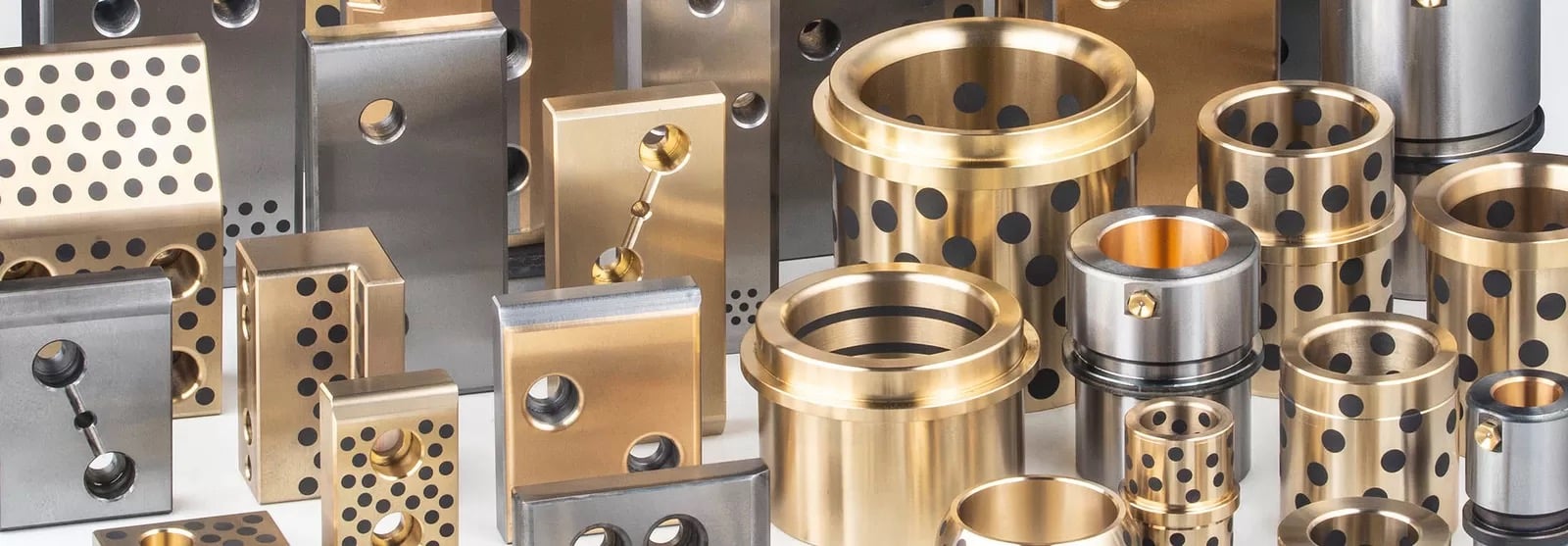
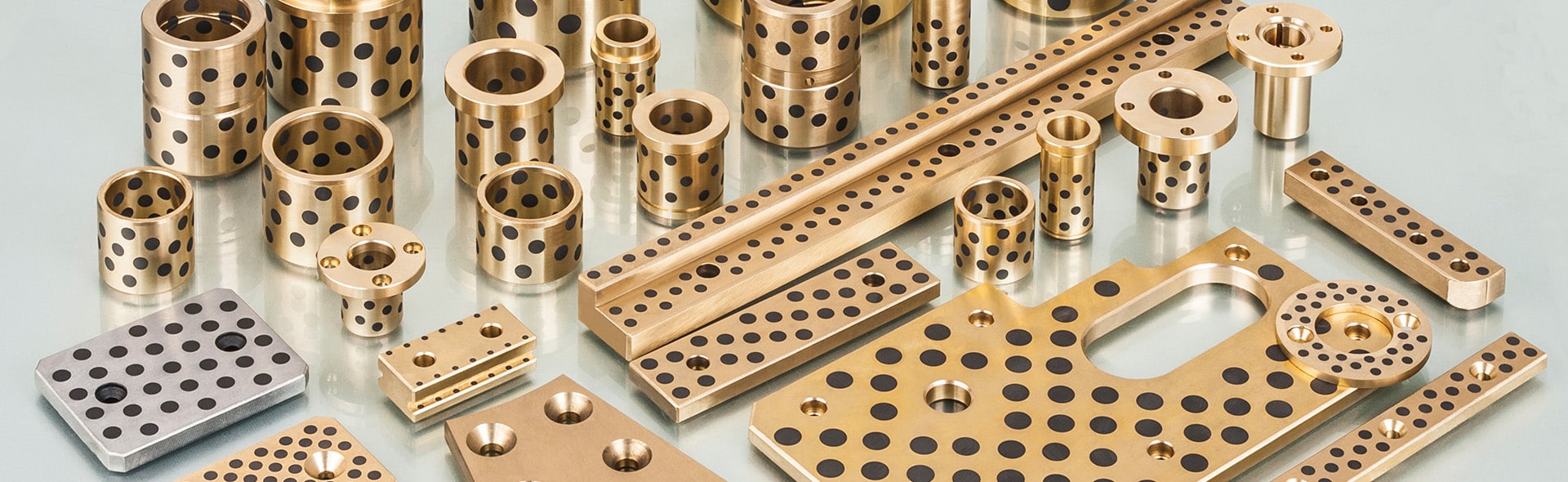
Exploring the Benefits of Brass Material in Lubricated Alloy Bearings and Wear Plates
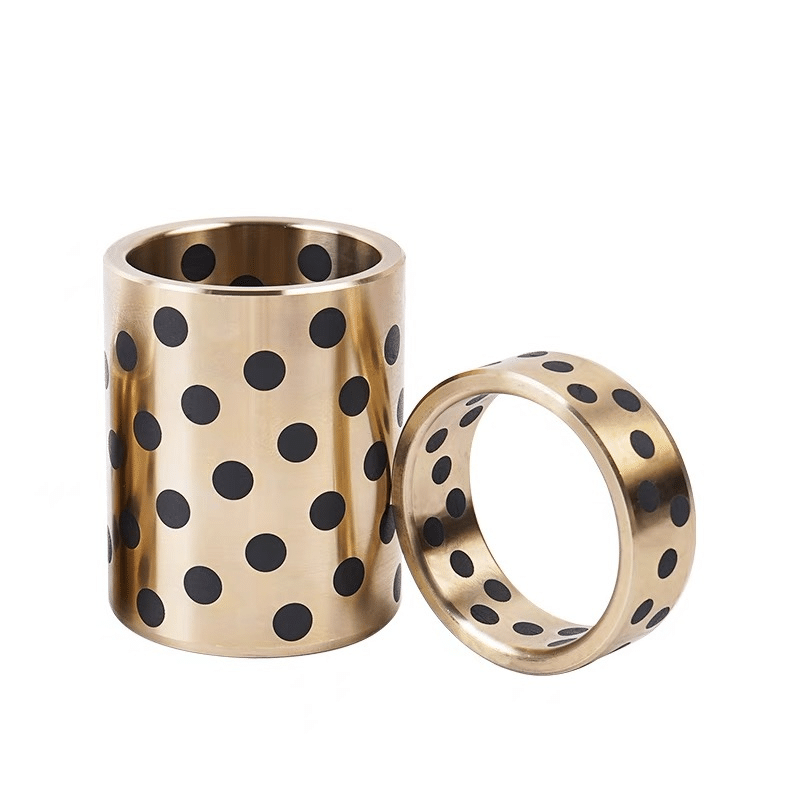
Experience the Strength of Self-lubricating Bearings
Understanding High Tensile Brass Alloys: CuZn25Al5Mn4Fe3 (C86300) and CuZn34Mn3Al2Fe1 (C86200)
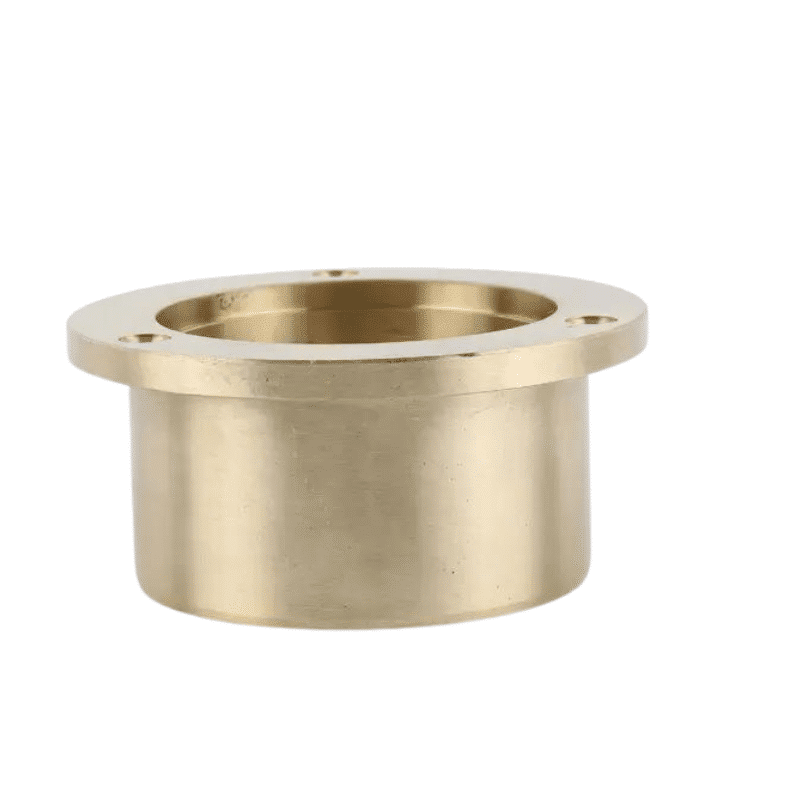
In the world of mechanical engineering and component design, the selection of material is crucial. Brass, an alloy primarily composed of copper and zinc, has been a preferred material for various applications due to its remarkable properties. This blog post delves into the utilization of brass in lubricated alloy bearings and wear plates, exploring its benefits and practical applications.
Properties of Brass
Brass is renowned for its corrosion resistance, machinability, and thermal conductivity. These properties make it an ideal choice for components that require both durability and precision. Additionally, brass’s low friction coefficient enhances its suitability for moving parts. Here are some key characteristics:
Corrosion Resistance: Brass withstands environmental degradation, making it suitable for marine and outdoor applications.
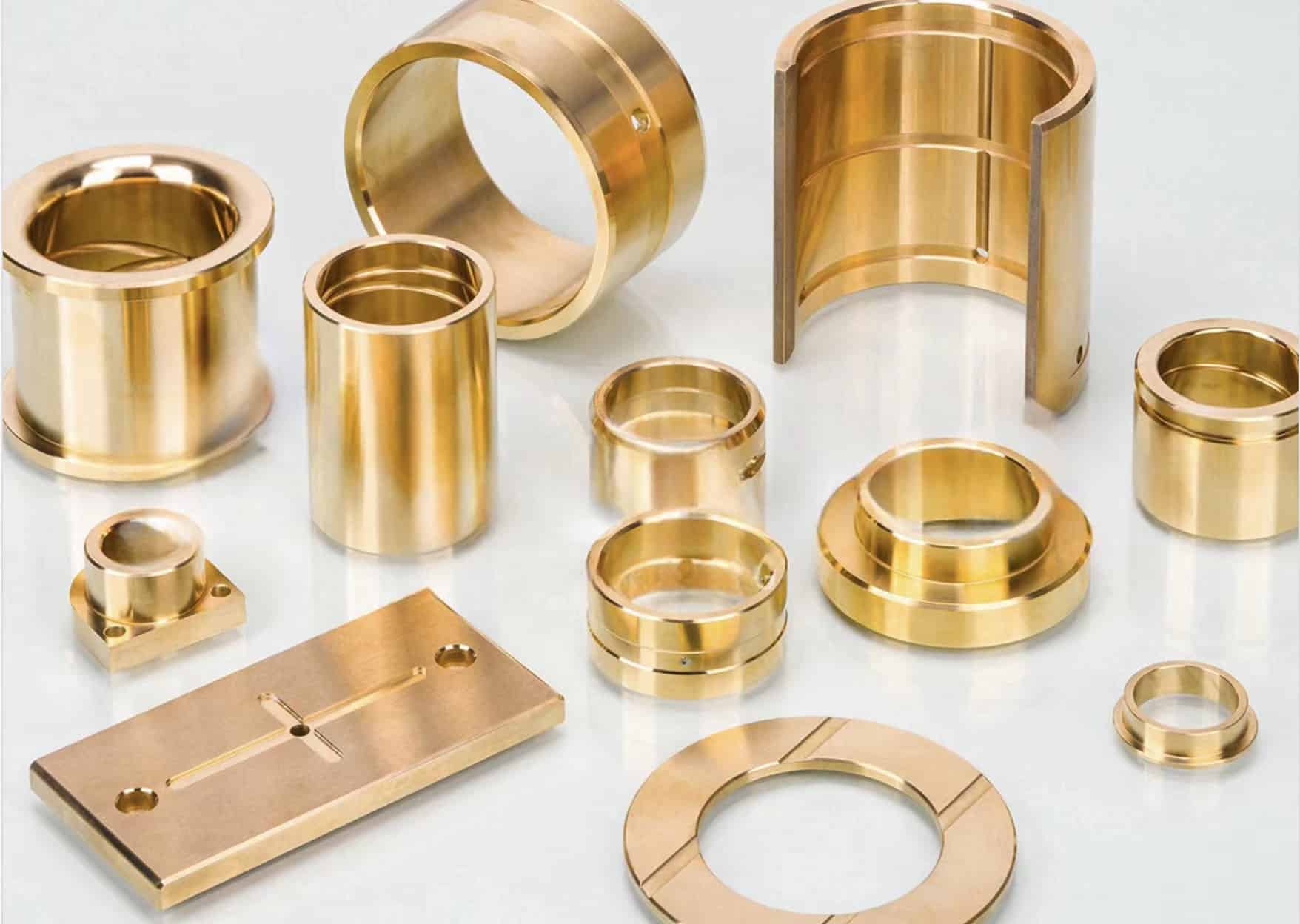
Machinability: Easily shaped and molded, brass allows for high precision in manufacturing complex components.
Thermal Conductivity: Efficient in heat dissipation, brass is excellent for applications involving temperature regulation.
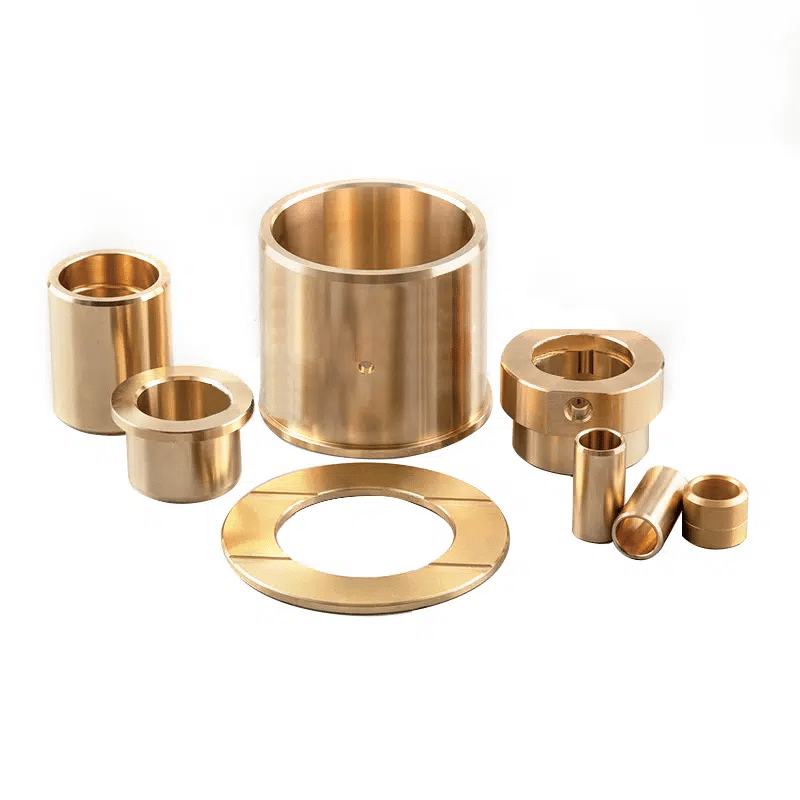
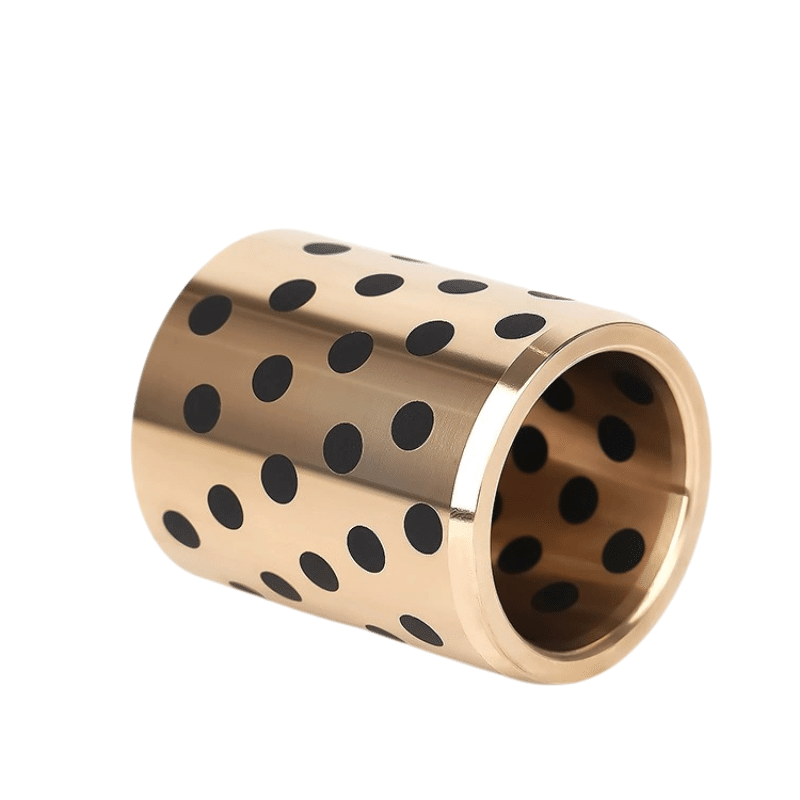
Brass in Lubricated Alloy Bearings
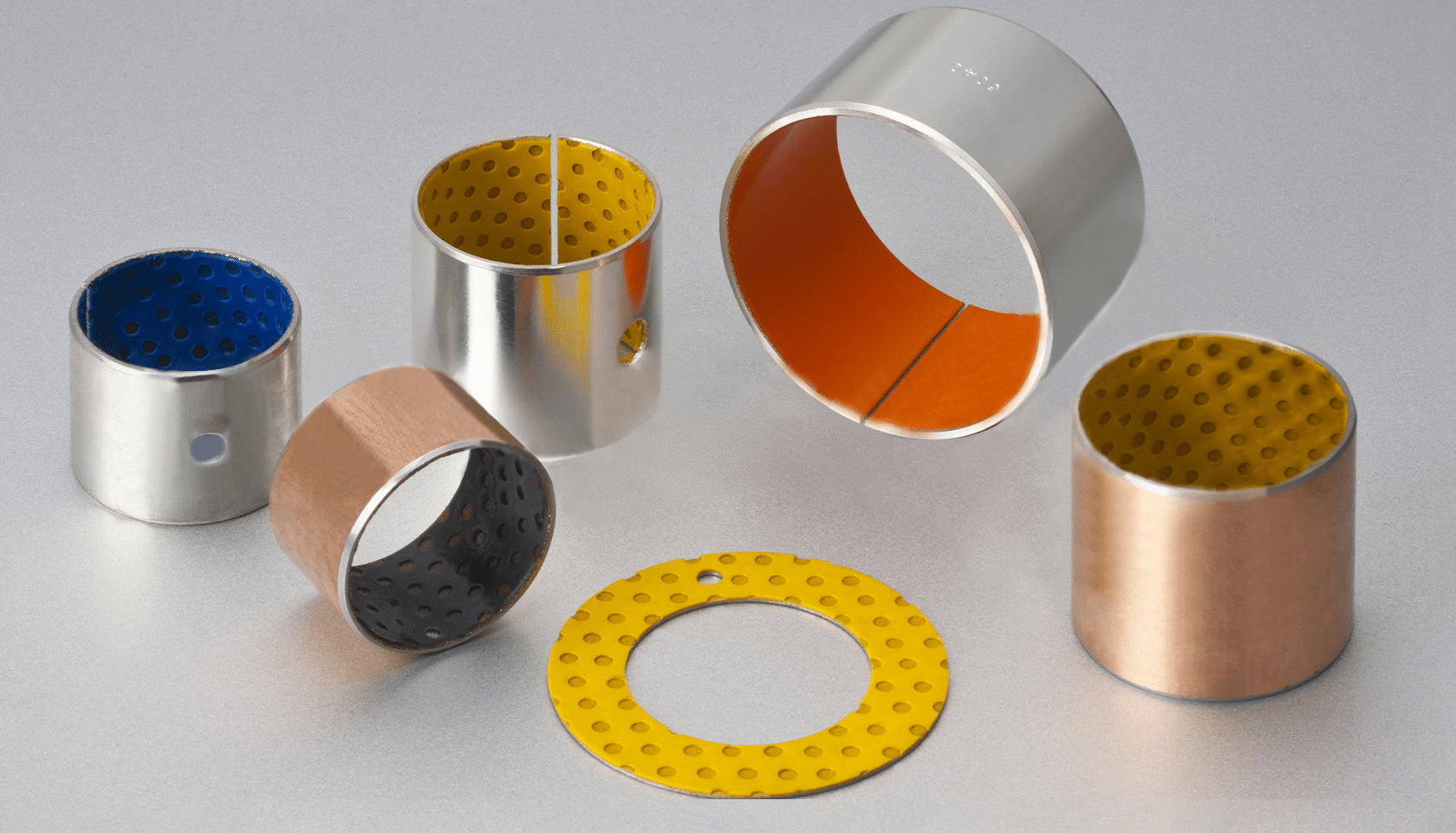
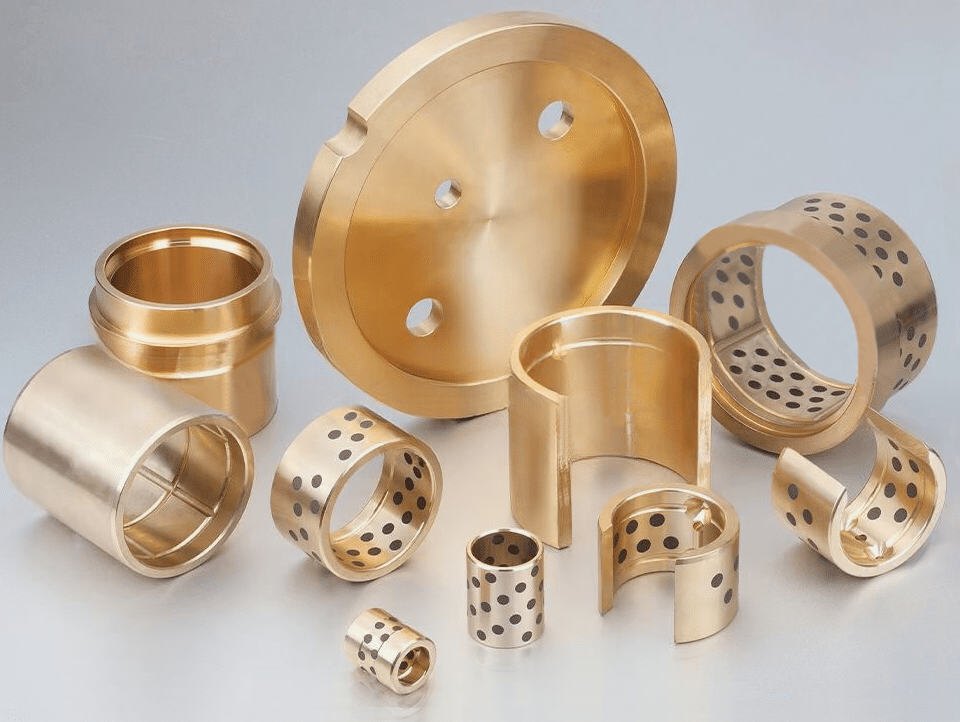
Bearings are pivotal in reducing friction between moving parts, and brass alloy bearings stand out for several reasons:
Reduced Friction: Brass bearings typically exhibit lower friction, reducing wear and prolonging the service life of machinery.
Lubrication Efficiency: The natural properties of brass enhance the effectiveness of lubricants, maintaining smooth operation under varying loads and speeds.
Versatility: Brass bearings are used in electrical motors, automotive applications, and even aerospace components, thanks to their reliability and durability.
Brass Wear Plates
Wear plates protect equipment from excessive wear, and brass wear plates offer unique advantages:
Uniform Wear: Brass wear plates ensure even distribution of wear, preventing localized damage and maintaining the integrity of the component.
Compatibility: These plates work well with a variety of lubricants, including oil-based and grease-based options, ensuring versatility across different industrial applications.
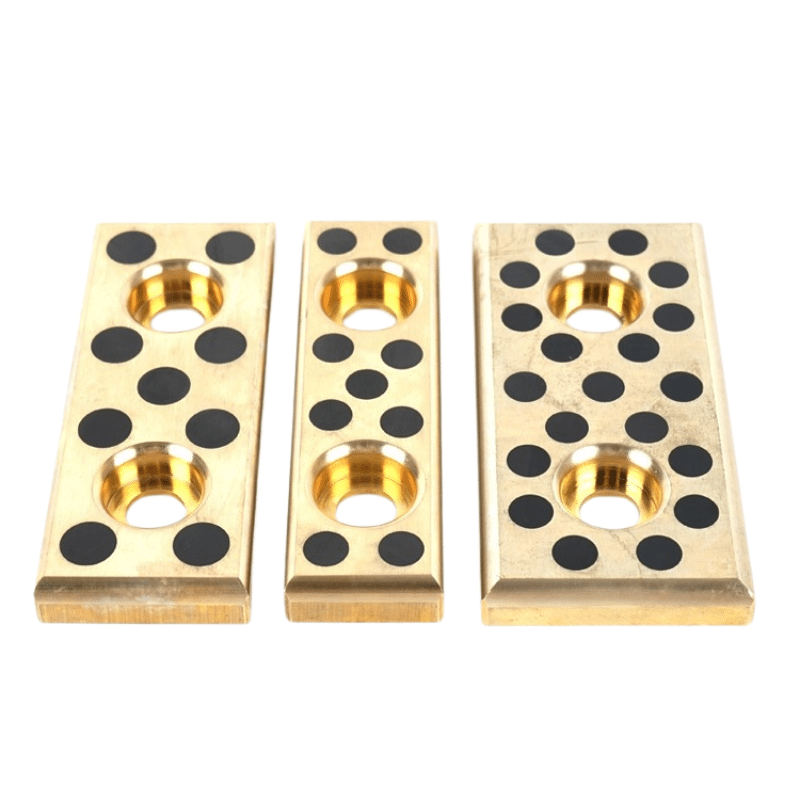
Customizability: Given brass’s excellent machinability, wear plates can be customized to fit specific machinery requirements, enhancing performance and efficiency.
Applications
Brass bearings and wear plates are utilized in several industries, including:
- Automotive: In gearboxes, clutches, and steering assemblies.
- Marine: For shaft bearings and pump bearings exposed to salty environments.
- Industrial Machinery: In conveyor systems, turbines, and pumps where reliability is critical.
Environmental Impact and Sustainability
Brass is also notable for its sustainability. Being highly recyclable, brass components can be repurposed at the end of their lifecycle, reducing waste and the environmental footprint associated with manufacturing new materials.
Conclusion
The choice of brass for lubricated alloy bearings and wear plates offers an array of benefits, from enhanced durability and efficiency to environmental sustainability. Its versatility across different industrial sectors underscores its continued relevance in modern engineering. As industries evolve, the adaptability and enduring qualities of brass ensure it remains a cornerstone material in the design and manufacture of high-performance components.
Call to Action
For engineers and manufacturers looking to optimize their machinery’s performance and lifespan, considering brass as a material choice could be a step towards achieving greater operational efficiencies. Explore the potential of brass in your next project to harness these benefits firsthand.
Metal Alloy Comparison Guide: Copper, Brass, & Bronze for Bearing Bushing and Plate Applications
In the world of industrial applications, metal alloys such as copper, brass, and bronze are crucial for their unique properties and uses. This guide aims to delve into the specifics of these metals, particularly focusing on their suitability for bearing bushings and plates, helping manufacturers and engineers choose the right material for their needs.
Copper: High Conductivity and Flexibility
Characteristics: Copper is renowned for its excellent thermal and electrical conductivity, making it an ideal choice for components that require efficient heat or electricity transfer. It is highly ductile, malleable, and has a natural resistance to corrosion in environments where other metals might deteriorate.
Applications in Bushings and Plates: Copper bushings are commonly used in electrical applications where minimal resistance is required. However, its softness compared to other alloys means it is less commonly used in high-load bearing applications unless alloyed with other metals to enhance its strength and wear resistance.
Brass: Versatility and Corrosion Resistance
Characteristics: Brass is an alloy of copper and zinc, with possible additions of other elements to improve various properties. It typically features good strength and hardness, excellent corrosion resistance, and an attractive gold-like appearance. Brass also offers good thermal conductivity and is easy to machine.
Applications in Bushings and Plates: Brass is used for bushings that operate under moderate load and low-speed conditions, such as plumbing fixtures and electrical components. Its corrosion resistance makes it suitable for marine and outdoor applications. Brass plates are often utilized in decorative architecture and musical instruments due to their aesthetic appeal and durability.
Bronze: Durability and Load Capacity
Characteristics: Bronze is primarily an alloy of copper and tin, but additional elements like aluminum, nickel, and zinc can be added to create various bronze alloys. Bronze is known for its toughness and resistance to wear and fatigue, outperforming both copper and brass in demanding mechanical applications.
Applications in Bushings and Plates: Bronze bushings are a top choice for heavy-load applications and are extensively used in machinery such as agricultural equipment, mining machines, and automotive components. The high load-bearing capacity and good frictional properties of bronze make it ideal for sliding bearings, wear plates, and thrust washers.
Key Alloys:
- Phosphor Bronze (CuSn8): Offers excellent fatigue resistance, good elasticity, and durability.
- Aluminum Bronze (CuAl10Fe5Ni5): Known for its high strength and excellent corrosion resistance, particularly in seawater environments.
- Manganese Bronze (C86500): Often used when a combination of high strength and good corrosion resistance is needed.
Choosing the Right Alloy
When selecting a metal alloy for bearing bushings and plates, consider the following factors:
- Load Requirements: Higher loads typically favor bronze due to its superior strength and wear resistance.
- Corrosion Environment: Brass and aluminum bronzes offer the best resistance against corrosion.
- Machinability: Brass is easier to machine and can be a cost-effective option for intricate designs.
- Cost: Copper is generally more expensive, followed by bronze and brass. However, the long-term benefits of choosing a more durable alloy can outweigh initial costs.
Conclusion
Each of these metal alloys offers distinct advantages for different applications. Understanding the specific demands of your application—whether it’s load-bearing capacity, corrosion resistance, or aesthetic considerations—is crucial in selecting the best material for bearing bushings and plates. Copper, brass, and bronze each play a vital role in industrial applications, and choosing the right one can significantly enhance performance and durability.