
Demystifying Phosphor Bronze Split Bearings: A Comprehensive Guide for Engineers
Demystifying Phosphor Bronze Split Bearings: A Comprehensive Guide for Engineers
Say goodbye to the hassle of frequent lubrication maintenance. Our self-lubricating technology ensures smooth operation and reduces wear and tear, extending the lifespan of your equipment. Experience uninterrupted productivity and cost savings as you bid farewell to the need for messy lubricants and time-consuming upkeep.
Manufacturing on Demand, alternative solutions
Demystifying Phosphor Bronze Split Bearings: A Comprehensive Guide for Engineers
ZCuAl10Fe3 is a type of cast copper alloy, also known as 10-3 aluminum bronze. This material boasts high mechanical properties, excellent wear resistance, and corrosion resistance.
Chemical composition % of grade CuAl10Fe3Mn2 ( CW306G )
| Fe | Si | Mn | Ni | Al | Pb | Zn | Sn | Others | – |
| 2 – 4 | max 0.2 | 1.5 – 3.5 | max 1 | 9 – 11 | max 0.05 | max 0.5 | max 0.1 | total 0.2 | Cu – remainder |
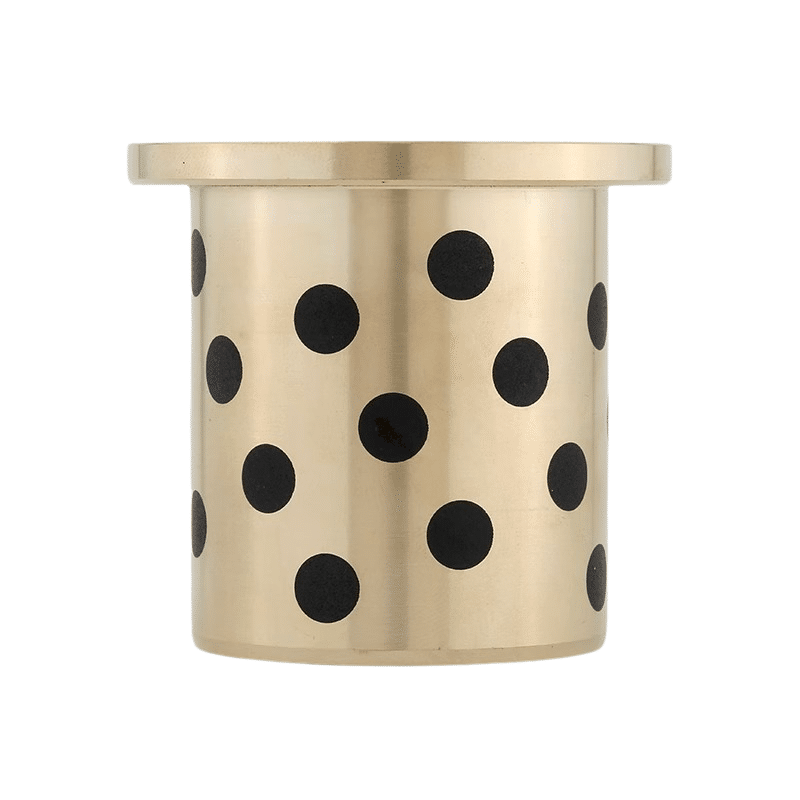
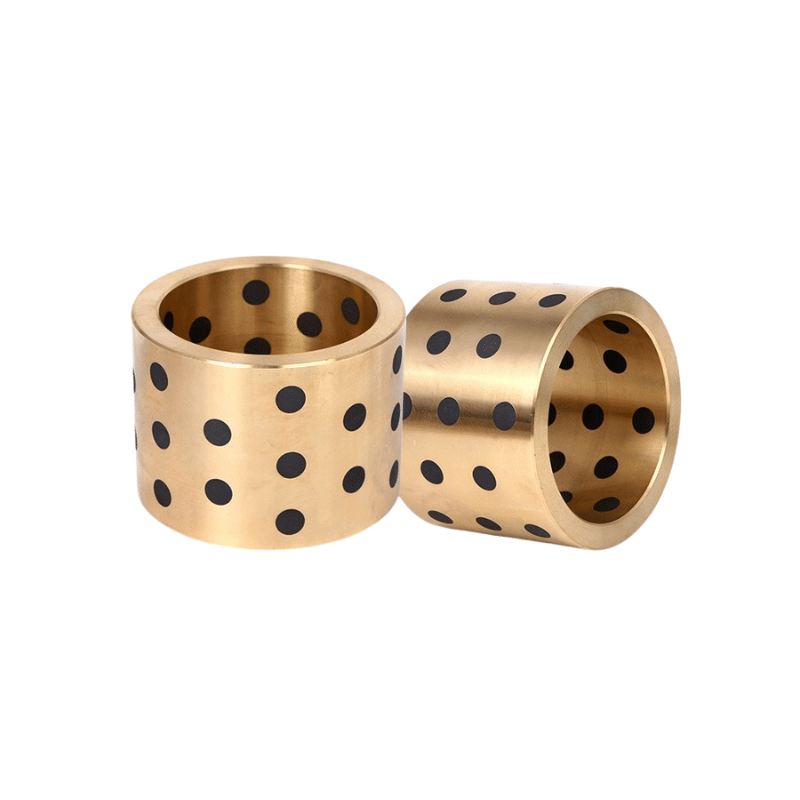
ZCuAl10Fe3 Bronze Bushing, C95400, Find a product Search by
CDA number Applications in Hydraulic Cylinders, for ZQAL9-4 Bronze Bearing for Axial Guide Shafts, Concave and Convex Ring Parts Material ZCuAl10Fe3
Demystifying Phosphor Bronze Split Bearings: A Comprehensive Guide for Engineers
In the world of mechanical engineering, the battle against friction, wear, and maintenance downtime is constant. Components that seem simple on the surface often play a critical role in the longevity and efficiency of complex machinery. One such unsung hero is the phosphor bronze split bearing ring.
Also known as a split bushing, this component is far more than just a metal cylinder with a cut in it. Its unique material properties and clever design make it an indispensable solution in some of the most demanding industrial environments.
This guide will take a deep dive into what makes these bearings tick—from their material science to their design variations and critical applications.
What is a Phosphor Bronze Split Bearing? The Core Concept
At its heart, a phosphor bronze split bearing is a cylindrical sleeve designed to fit between a housing and a rotating or sliding shaft. Its primary functions are to:
-
Reduce Friction: Provide a low-friction surface for moving parts.
-
Absorb Shock: Cushion components from impact loads.
-
Minimize Vibration & Noise: Dampen operational vibrations for smoother, quieter performance.
The two defining characteristics are its material (phosphor bronze) and its design (the split). The split, or gap, is the key to its practicality. It allows the bearing to be easily wrapped around a shaft and installed into a solid housing or a two-piece housing, dramatically simplifying assembly and replacement without needing to dismantle the entire machine.
The Heart of Performance: Why Phosphor Bronze?
The choice of material is never arbitrary in engineering. Phosphor bronze is selected for its exceptional combination of properties. It’s a copper alloy, but the addition of tin and phosphorus transforms it into a high-performance bearing material.
Let’s break down the role of each element:
| Element | Role in the Alloy | Key Benefit for Bearings |
| Copper (Cu) | Base Metal | Provides excellent thermal conductivity to dissipate heat generated by friction. |
| Tin (Sn) | Alloying Element | Significantly increases strength, hardness, and wear resistance. |
| Phosphorus (P) | Deoxidizing Agent | Improves hardness, elasticity, and fatigue resistance. It also enhances the material’s bearing qualities. |
The most common alloys for these bearings are CuSn8 (approx. 8% tin) and CuSn6.5 (approx. 6.5% tin). CuSn8, with its higher tin content, generally offers superior wear resistance and is suited for higher loads and speeds.
Some specialized alloys, like C54400, may also include a small amount of lead (Pb). While lead improves machinability, its use is restricted in certain applications (e.g., food processing or environmentally sensitive areas) due to toxicity concerns.
Not All Splits Are Equal: A Comparison of Bearing Types
The “split” design isn’t a one-size-fits-all feature. The manufacturing method determines the bearing’s precision, cost, and suitability for different applications. Understanding these differences is crucial for selecting the right component.
Here’s a comparison of the three primary types:
| Bearing Type | Manufacturing Process & Description | Key Advantage | Main Consideration | Best For |
| Perfect Halved | Two identical halves are machined separately to precise tolerances. | Interchangeable: Any half can be paired with another of the same size, simplifying inventory. | Higher manufacturing cost due to separate precision machining. | Applications requiring high precision and easy replacement of individual halves, like large engine crankshafts. |
| Matched Halved | Machined as a single piece, then split. The two halves are kept as a matched pair and often marked. | Perfect Fit: Guarantees a perfectly circular bore when assembled, ensuring optimal contact and load distribution. | Not Interchangeable: A lost or damaged half cannot be replaced; the entire pair must be swapped. | High-precision machinery where perfect concentricity is non-negotiable. |
| Split After Machining | Machined as a single piece, then a saw cut creates the split. | Most Economical: Simplest and fastest manufacturing process, leading to lower costs. | A small amount of material (the “kerf”) is lost during the cut, so it doesn’t form a perfect circle when closed. | General-purpose applications where cost is a major factor and slight imperfections in concentricity are acceptable. |
The Lubrication Factor: Self-Sufficient vs. High-Maintenance
A bearing is only as good as its lubrication. While all phosphor bronze bearings benefit from lubrication, the split design offers advanced options that can drastically reduce maintenance.
1. Standard (External Lubrication):
These are plain bearings that rely on a consistent supply of grease or oil, typically delivered through holes and grooves machined into the bearing surface.
-
Pros: Simple, traditional, effective for high-load, high-speed applications.
-
Cons: Requires a regular maintenance schedule. Failure to lubricate leads to rapid failure.
2. Self-Lubricating (Embedded Lubricants):
This is where phosphor bronze split bearings truly shine. They are often designed with features that provide continuous, maintenance-free lubrication.
-
Oil Grooves & Pockets: Machined patterns hold grease or oil, distributing it evenly as the shaft rotates.
-
Graphite Inserts: Solid graphite plugs are embedded into the bearing wall. As the shaft moves, it picks up a micro-thin layer of graphite, a powerful solid lubricant. This is ideal for slow-moving, high-load applications or where liquid lubricants are impractical.
Contrasting Logic: When to Choose Self-Lubricating
Choose a self-lubricating design when:
-
The bearing location is difficult or dangerous to access for regular maintenance.
-
The operating environment is dirty, and external grease could attract contaminants.
-
The application involves slow, oscillating movements where a hydrodynamic oil film cannot form.
-
You need to reduce long-term operational costs and downtime.
Where They Shine: Key Industrial Applications
The robust and versatile nature of phosphor bronze split bearings makes them a go-to choice across numerous industries:
-
Heavy Machinery: Hinge pins, pivot points, and linkage bearings in excavators, cranes, and bulldozers where loads are high and maintenance is challenging.
-
Marine & Offshore: Rudder bearings, propeller shaft bushings, and winch components. The material’s excellent corrosion resistance is a massive advantage in saltwater environments.
-
Automotive: Kingpin bushings in steering systems, transmission components, and suspension linkages.
-
Aerospace: Landing gear components and control surface actuators where reliability and durability are paramount.
-
Industrial Equipment: Bearings for gears, shafts, and thrust rings in pumps, compressors, and manufacturing machinery.
The Final Verdict: Advantages & Considerations
To make an informed decision, let’s summarize the key pros and cons.
| Advantages | Considerations |
| ✅ Easy Installation & Replacement: The split design is a game-changer for maintenance efficiency. | ⚠️ Lubrication is Key: Unless designed as self-lubricating, they require a consistent lubrication schedule. |
| ✅ High Durability & Wear Resistance: The phosphor bronze alloy is built to withstand heavy loads and abrasive conditions. | ⚠️ Precision Varies by Type: The “split-after-machining” type is economical but not as precise as matched halves. |
| ✅ Excellent Corrosion Resistance: Ideal for marine, chemical, and outdoor applications. | ⚠️ Alloy Composition Matters: Be aware of lead content in certain alloys (e.g., C54400) if your application has environmental or health restrictions. |
| ✅ Maintenance-Reducing Options: Self-lubricating designs with graphite inserts offer a “fit-and-forget” solution. | ⚠️ Customization May Be Needed: For a perfect fit, custom sizes and specifications from a reliable manufacturer are often necessary. |
Conclusion: The Smart Choice for Tough Jobs
The phosphor bronze split bearing ring is a testament to smart engineering—a simple design concept elevated by advanced material science. By offering a blend of durability, ease of maintenance, and adaptability, it provides a reliable and cost-effective solution to fundamental mechanical challenges.
When selecting a bearing, look beyond the initial price. Consider the manufacturing type, the alloy, and the lubrication method. By matching these features to your specific application, you can ensure a component that not only performs but endures.
Looking for tailored solutions? Reputable suppliers like National Bronze Manufacturing, Bronzelube, and Viiplus specialize in custom phosphor bronze bearings for diverse industrial needs.
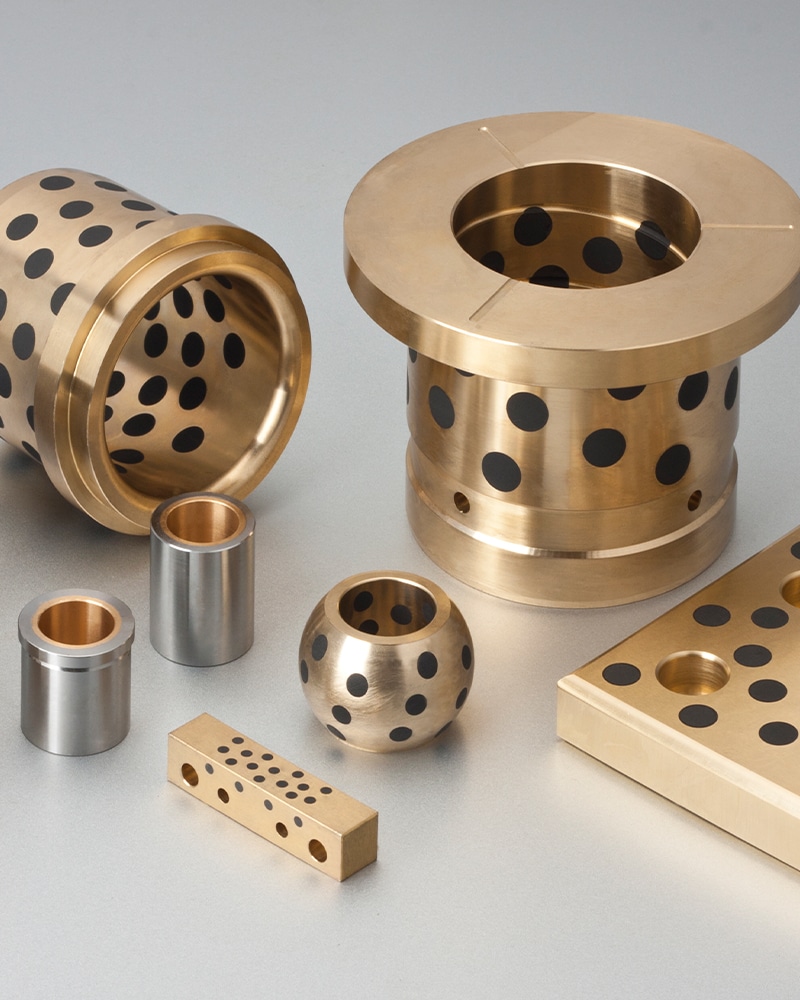
ZCuAl10Fe3 bronze bushings Chemical Composition
Chemical Composition The main chemical components of ZCuAl10Fe3 include copper (Cu) as the base metal, with aluminum (Al) enhancing the alloy’s strength and hardness, and iron (Fe) improving wear and corrosion resistance. Additional elements such as manganese (Mn), zinc (Zn), nickel (Ni), and lead (Pb) further enhance the alloy’s performance.
Mechanical Properties ZCuAl10Fe3 bronze bushings exhibit high tensile strength and yield strength, along with good elongation. Specific mechanical properties include:
- Tensile strength (σb): ≥490 MPa
- Yield strength (σ(Rp0.2)): ≥180 MPa
- Elongation (δ5): ≥13%
- Hardness (HBW): ≥100 (sand casting), ≥110 (centrifugal/continuous casting)
Applications Due to its high strength, wear resistance, and corrosion resistance, ZCuAl10Fe3 bronze bushings are extensively used in various industrial areas. They are commonly used in the manufacture of bearings, gears, slide plates, valve bodies, and other wear-resistant parts, as well as materials for electrical and thermal conduction in high-temperature and humid environments.
Machinability The ZCuAl10Fe3 alloy has excellent casting and machining capabilities, allowing it to be shaped through various processes such as casting, forging, and extrusion. It also exhibits good performance in cutting and welding.
Selection Considerations When selecting ZCuAl10Fe3 bronze bushings, it is important to consider specific application conditions, such as load, temperature, operational speed, fitting precision, and the material characteristics of the wear parts, as well as cost-effectiveness, material availability, and ease of processing. Additionally, the quality of the c bronze bushings is essential to ensure performance meets requirements, so attention should be paid to the supplier’s qualifications and quality control processes during procurement.
In conclusion, ZCuAl10Fe3 bronze bushings are a high-performance material suitable for a variety of industrial applications, capable of providing reliable performance and longevity under harsh working conditions.
Understanding ZCuAl10Fe3 Bronze Bushings: A Comprehensive Guide
When it comes to industrial applications, the choice of materials is crucial for ensuring efficiency, durability, and performance. Among the various materials available, ZCuAl10Fe3 bronze stands out, particularly for its use in large-size bushings. This blog post will delve into the specifics of ZCuAl10Fe3 bronze bushings, including their dimensions, properties, and applications.
What is ZCuAl10Fe3 Bronze?
ZCuAl10Fe3 bronze, also known as aluminum-iron bronze, is a high-strength alloy that contains approximately 10% aluminum and 3% iron. This composition gives the bronze excellent mechanical properties, including high strength, wear resistance, and corrosion resistance. These characteristics make ZCuAl10Fe3 bronze an ideal choice for heavy-duty applications where reliability is paramount.
Dimensions of ZCuAl10Fe3 Bronze Bushings
When discussing bronze bushings, the primary dimensions to consider are the inner diameter (ID), outer diameter (OD), and length. These dimensions vary based on the specific requirements of the application. Here’s a closer look at each:
- Inner Diameter (ID): This is the internal width of the bushing, which accommodates the shaft. Ensuring the correct ID is crucial for the smooth operation of the shaft within the bushing.
- Outer Diameter (OD): The external width of the bushing, which fits into the housing. The OD must be precisely matched to the housing to prevent any movement or misalignment during operation.
- Length: This is the total length of the bushing. The length affects the bushing’s load-bearing capacity and its ability to distribute stress evenly.
For large-size ZCuAl10Fe3 bronze bushings, these dimensions can vary significantly depending on the industrial needs. For example, a typical large bushing might have an ID ranging from 100 mm to 500 mm, an OD ranging from 150 mm to 600 mm, and a length that can extend up to 1,000 mm or more.
Flange Bronze Bushings
In addition to cylindrical bushings, ZCuAl10Fe3 bronze is also used to manufacture flange bushings. These bushings have a flange at one end, which helps to position the bushing within its housing and provides additional support to handle axial loads. Flange bronze bushings are commonly used in applications where axial alignment is critical.
The dimensions of flange bronze bushings include the ID, OD, flange diameter, and length. The flange diameter is typically larger than the OD, providing a surface that can bear axial loads and prevent the bushing from moving out of position.
Applications of ZCuAl10Fe3 Bronze Bushings
ZCuAl10Fe3 bronze bushings are widely used in various heavy-duty applications due to their superior properties. Some common uses include:
- Marine Engineering: The corrosion resistance of ZCuAl10Fe3 bronze makes it ideal for use in marine environments, such as in ship propellers, valves, and pumps.
- Industrial Machinery: These bushings are used in heavy machinery where high load-bearing capacity and wear resistance are required, such as in construction equipment, mining machinery, and metal processing machinery.
Advantages of ZCuAl10Fe3 Bronze Bushings
- High Strength: The aluminum and iron content in the bronze provide exceptional strength, making these bushings suitable for high-load applications.
- Wear Resistance: ZCuAl10Fe3 bronze has excellent wear resistance, which extends the lifespan of the bushing and reduces maintenance costs.
- Corrosion Resistance: This bronze alloy performs well in corrosive environments, making it ideal for marine and industrial applications.
- Versatility: Available in various dimensions and types, including cylindrical and flange bushings, ZCuAl10Fe3 bronze can be tailored to specific application needs.
Conclusion
ZCuAl10Fe3 bronze bushings are a reliable and durable choice for a wide range of industrial applications. Their high strength, wear resistance, and corrosion resistance make them an excellent option for heavy-duty environments. Whether you need large-size cylindrical bushings or flange bushings, understanding the specific requirements of your application will help you choose the right dimensions and type of ZCuAl10Fe3 bronze bushing to ensure optimal performance and longevity.
Relevance of ZCuAl10Fe3 to Concave and Convex Ring Parts
Material Suitability for Lapping
ZCuAl10Fe3’s high hardness (110–314 HBW) and excellent wear resistance make it particularly well-suited for diamond lapping. The alloy can withstand the abrasive action of diamond compounds without excessive material loss, ensuring that concave and convex ring parts—such as bearings, seals, or mating surfaces—achieve precise tolerances and ultra-smooth finishes.
Geometry Control in Lapping
When lapping ZCuAl10Fe3 concave or convex ring components, geometry management is critical:
-
Convex Lapping Plate: Produces a concave surface on the part. This may increase the curvature of concave rings beyond design specifications.
-
Concave Lapping Plate: Produces a convex surface on the part, which may affect the fit or function of convex rings.
-
Plate Flatness: Maintaining correct flatness is essential to preserve the intended geometry, especially for mating concave/convex rings in assemblies.
Advanced Techniques for Ultra-Precision
For custom ZCuAl10Fe3 components requiring ultra-precision:
-
Facing/Grooving Devices: Can machine lapping plates to within micron-level flatness.
-
Tapered Plates: Slightly tapered convex or concave plates allow controlled shaping of ring surfaces, improving the accuracy of custom concave or convex parts.
✅ Summary: The combination of ZCuAl10Fe3’s hardness, wear resistance, and compatibility with diamond lapping makes it an ideal choice for high-precision concave and convex ring parts, ensuring consistent geometry, smooth surfaces, and reliable performance in demanding applications.
For more information on ZCuAl10Fe3 bronze bushings or to discuss your specific needs, feel free to contact our team of experts. We’re here to help you find the perfect solution for your industrial challenges.
Your expert in self-lubricating Bearing
and Bronze alloys – serving globally
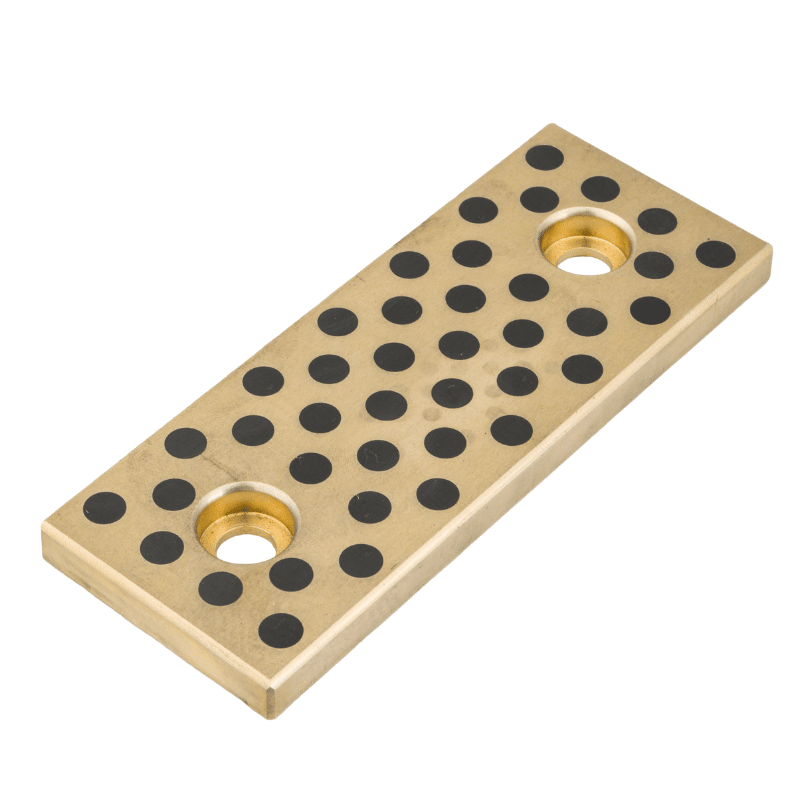
Brand replacement products and functionally equivalent parts, alternative solutions
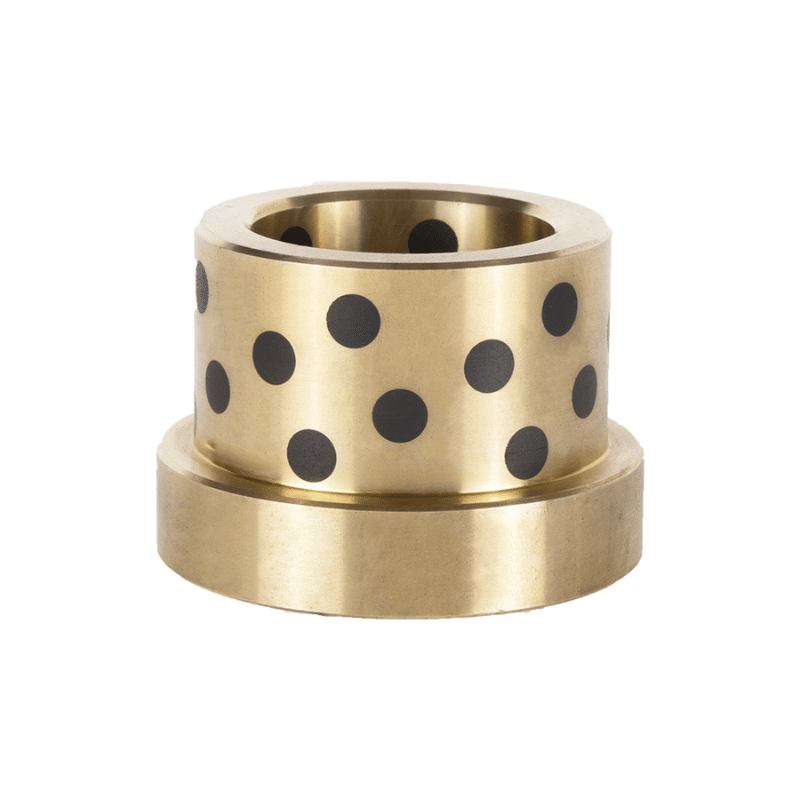
Manufactures flange bronze bearings, service & maintenance companies to meet the exacting specifications required in a wide range of industrial applications.
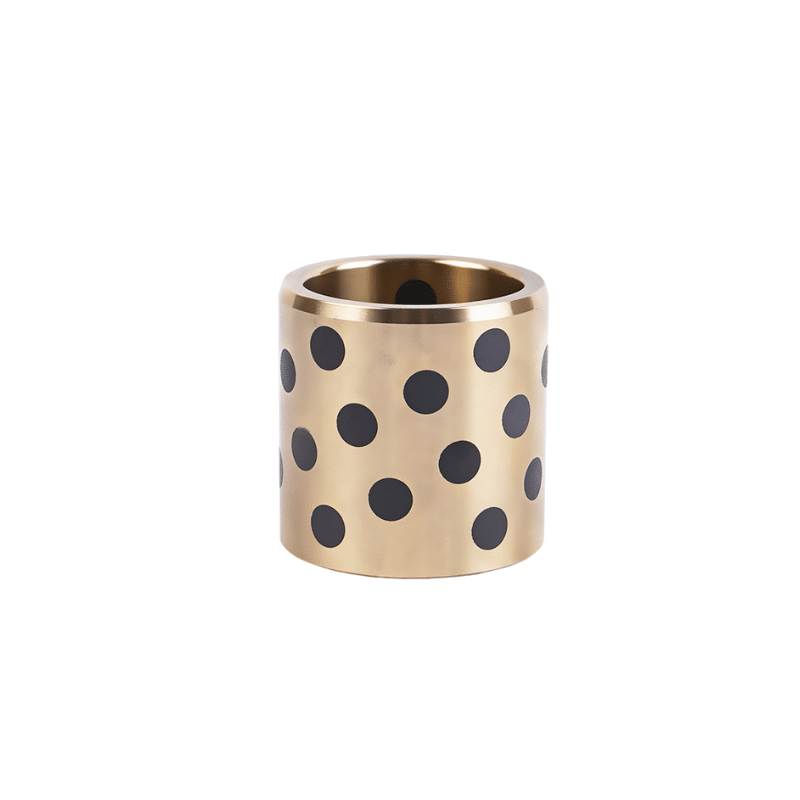
Machined bronze bushing that meet the exacting requirements & specifications supplied by our clients. Spherical bearings, spindles, semi-spheres and supports that we have manufactured.
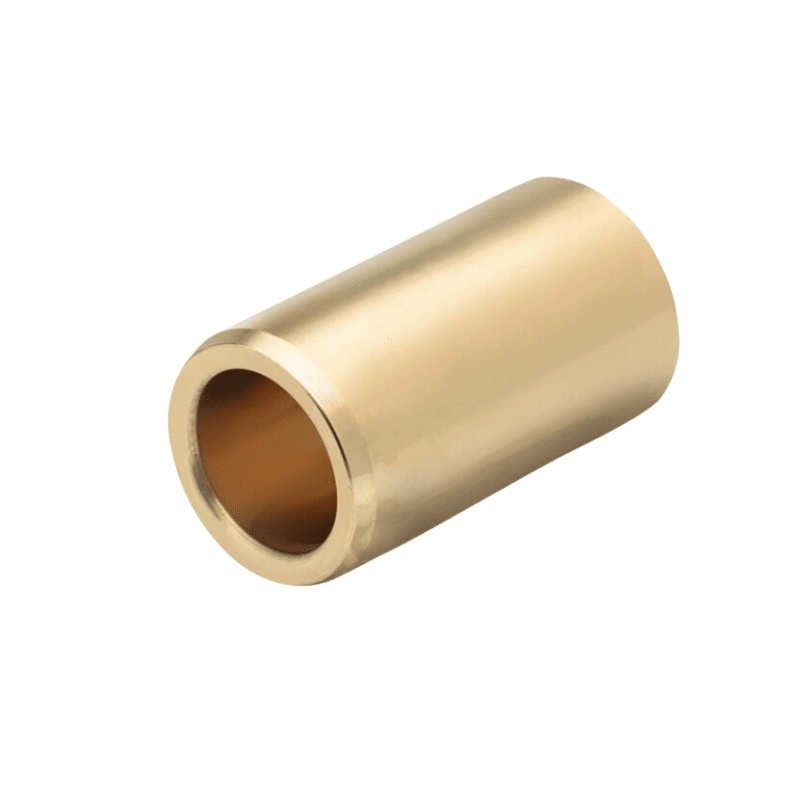
You will find to follow a selection of self lubricating bronze bearing material CuSn7Zn4Pb7, CuSn12, CuAl10Fe5Ni5,
CuZn25Al5Mn4Fe3
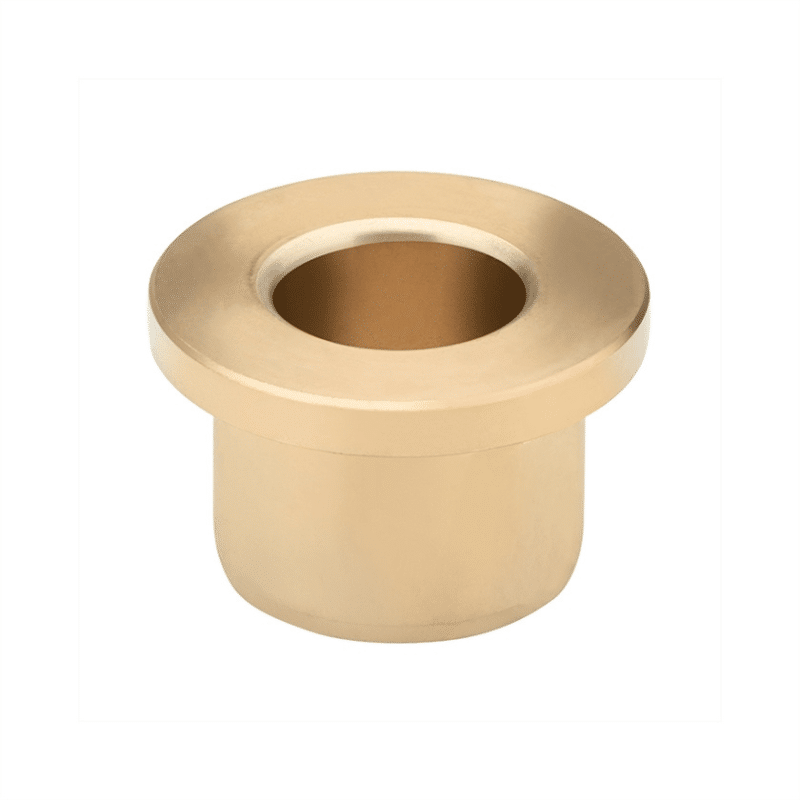
Alternative solution,We offer an outsourced machining service for bronze bushes, manufacturing precise parts to the designs supplied to us by our clients.
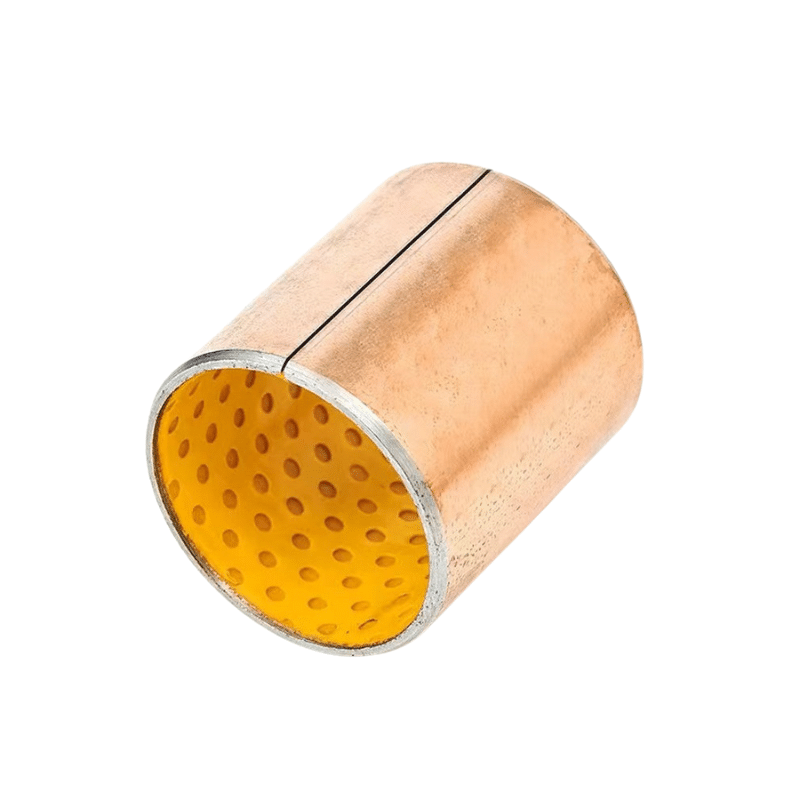
Selection of other composite bushing material of self lubricating bearing that we have manufactured.
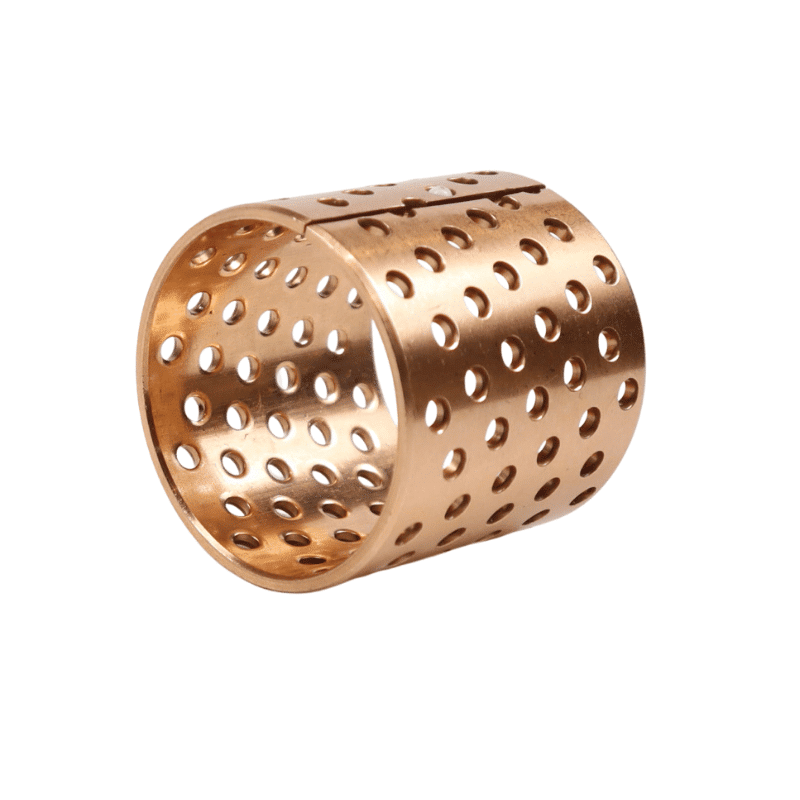
Wrapped Bronze Sleeve Bearing, Are you interested in our products?
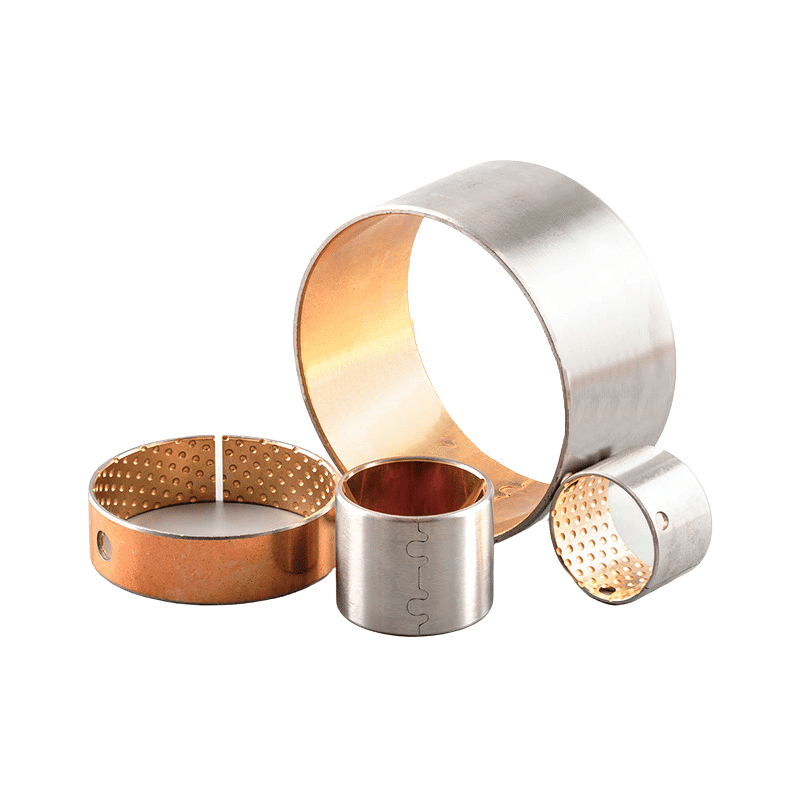
Manufacturer of bimetal and steel bronze bushing parts according to client’s drawing.